词条 光
描述: 光的本质是电磁辐射。在通常情况下,“光”一般是指波长处在一定范围内、从而让我们人类可以用肉眼看到的电磁辐射。人类能看到的光波长大致在380-750纳米(nm)之间,不过大多数人对波长短于 400 纳米的光敏感度很低。这只是电磁波谱的一个狭窄部分,完整的电磁波谱涵盖了从伽马射线(最短)到无线电波(最长)的各种波长。更广义地说,“光”这个术语有时适用于所有电磁辐射。
光的基本属性包括强度、传播方向、频率、光谱和偏振。光在真空中的速度被定义为每秒299,792,458米,这是自然界的基本常数之一。光的颜色取决于它的波长。在可见光谱中,紫光的波长最短,红光的波长最长。光有多种来源,包括自然光和人造光,而太阳是地球的主要光源。光是以一份一份的不连续形式发射和吸收的,这样的一“份”称为一个光子。光子同时具有波和粒子的特性,这种现象被称为波粒二象性。
相关词条
用其他语言查看该词条
词条和定义状态: 该术语的英文原始定义已通过天文研究人员和教师的审核 该术语及其定义的译文仍待审核
OAE 多语言词汇表是由国际天文学联合会(IAU) 天文教育办公室(OAE) 和 国际天文学联合会(IAU) 天文推广办公室(OAO)合作的项目。. 术语和定义由 OAE中心, OAE 国家天文教育协调员(NAECs) 以及其他志愿者共同选择、撰写和审阅。您可以在 找到完整的致谢列表。所有词汇表术语及其定义均根据 Creative Commons CC BY-4.0许可证发布 且版权归属于 "IAU OAE"。
如果您发现此词汇术语或定义中的事实或翻译错误, 请向 发邮件 联系.
相关媒体
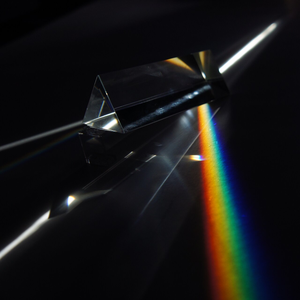
Light Dispersion by a Triangular Prism
图注: This photograph shows a prism splitting a beam of white light into its component colors — a beautiful demonstration of optics, the branch of physics that studies how light behaves and interacts with materials. When white light enters the prism, different wavelengths (colors) bend by different amounts because of a process called refraction. This separation of colors produces a spectrum — similar to a rainbow — revealing that white light is actually made up of many colors combined going from blue, through green and yellow to red.
Understanding optics helps scientists and engineers design lenses, microscopes, telescopes, cameras, and many other tools that shape and control light for practical use. The way the prism disperses light into a spectrum is the same principle that makes rainbows form in the sky when sunlight passes through raindrops.
来源: Kelvinsong
来源链接
License: CC0 CC0 1.0 通用 (CC0 1.0) 公共领域贡献 图标
相关活动
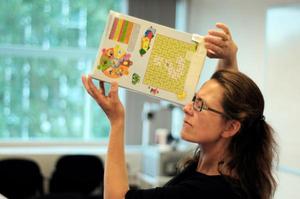
Build a Safe Sun Viewer
astroEDU educational activity (links to astroEDU website) Description: Build a safe Sun viewer using cheap household items and learn why it is dangerous to look directly at the Sun, even briefly.
License: CC-BY-4.0 知识共享许可协议 署名 4.0 国际 (CC BY 4.0) 图标
标签:
Hands-on
, Safety
年龄段:
6-8
, 8-10
, 10-12
受教育等级:
Primary
, 中学
学习领域:
建模
, 以观察为主
费用:
低成本
组别大小:
小组
技能:
规划并开展调查
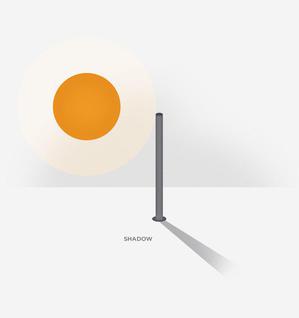
Sun’s Shadow
astroEDU educational activity (links to astroEDU website) Description: Why is the Sun's shadow so important?
License: CC-BY-4.0 知识共享许可协议 署名 4.0 国际 (CC BY 4.0) 图标
标签:
Hands-on
, Shadows
年龄段:
6-8
, 8-10
, 10-12
, 12-14
, 14-16
受教育等级:
非正式
, 初中
, Primary
, 中学
学习领域:
以观察为主
, 结构化探究式学习
费用:
中等成本
时间跨度:
一天
组别大小:
小组
技能:
提出问题
, 传达信息
, 构建解释
, 从证据中进行论证
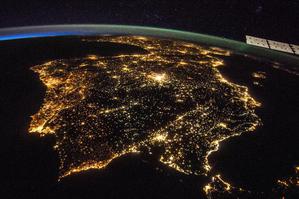
How Many Stars Can You See at Night?
astroEDU educational activity (links to astroEDU website) Description: Investigate the effects of light pollution on night sky observation.
License: CC-BY-4.0 知识共享许可协议 署名 4.0 国际 (CC BY 4.0) 图标
标签:
Software
, ecology
, Observation of sky
, Pollution
, Constellations
, stellarium
年龄段:
12-14
受教育等级:
初中
学习领域:
以观察为主
, 结构化探究式学习
费用:
低成本
时间跨度:
45 分钟
组别大小:
小组
技能:
分析和解读数据
, 传达信息
, 规划并开展调查
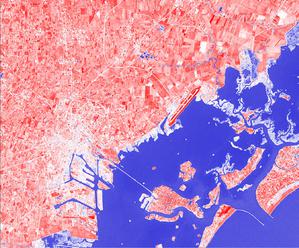
A View from Above
astroEDU educational activity (links to astroEDU website) Description: How do satellites take images of the Earth surface and how do we analyse and use them?
License: CC-BY-4.0 知识共享许可协议 署名 4.0 国际 (CC BY 4.0) 图标
标签:
Maps
, Climate
, Landsat
, Earth observation
, Sentinel
, Copernicus
, Remote sensing
, Vegetation
年龄段:
14-16
, 16-19
受教育等级:
初中
, 中学
学习领域:
结构化探究式学习
费用:
低成本
时间跨度:
1 小时 30 分钟
组别大小:
小组
技能:
分析和解读数据
, 提出问题
, 传达信息
, 构建解释
, 开发和使用模型
, 从证据中进行论证
, 使用数学和计算思维
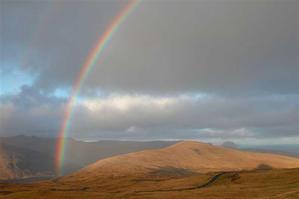
Reading the Rainbow
astroEDU educational activity (links to astroEDU website) Description: By understanding how rainbows work, you can discover about light and its properties, learning about stars, nebulae, galaxies, and our Universe.
License: CC-BY-4.0 知识共享许可协议 署名 4.0 国际 (CC BY 4.0) 图标
年龄段:
14-16
, 16-19
, 19+
受教育等级:
非正式
, 初中
, 中学
, 大学
学习领域:
互动讲座
, 以观察为主
, 结构化探究式学习
费用:
低成本
时间跨度:
1 小时 30 分钟
组别大小:
小组
技能:
分析和解读数据
, 提出问题
, 从证据中进行论证






.jpg)