Término del glosario: Tierra
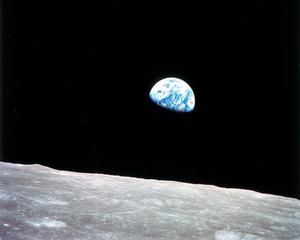
Descripción: La Tierra es el tercer planeta desde el Sol y el quinto más grande del Sistema Solar. Es un planeta rocoso y terrestre con un radio de unos 6 400 kilómetros (km). Tiene una masa de unos seis billones de billones de kilogramos.
La distancia típica de la Tierra al Sol es de unos 150 millones de kilómetros. Esto se define como una unidad astronómica. La Tierra tarda 365.26 días en completar una órbita alrededor del Sol. La Tierra tiene un satélite natural conocido como la Luna.
La Tierra alberga millones de especies de seres vivos, incluidos los humanos; es el único lugar conocido hasta la fecha en el que hay vida en el Universo. Se cree que se formó hace unos 4.54 miles de millones de años. La Tierra tiene una atmósfera y una magnetosfera que actúan para bloquear la radiación dañina y, por lo tanto, permiten la multiplicación de los organismos vivos. La Tierra también cuenta con una gran cantidad de agua en su superficie (es el único planeta del Sistema Solar del que se sabe que la tiene), lo que le da un color azul.
Términos relacionados:
Ver este término en otros idiomas
Estado del término y la definición: La definición original de este término en inglés ha sido aprobada por unastrónomo o astrónoma investigadora y un docente La traducción de este término y su definición aún están pendientes de aprobación
El Glosario multilingüe de la OAE es un proyecto de la Oficina de Astronomía para la Educación de la UAI (OAE) en colaboración con la Oficina de Divulgación de Astronomía de la UAI (OAO). Los términos y definiciones fueron seleccionados, redactados y revisados gracias al esfuerzo colectivo de la OAE, los Centros y Nodos de la OAE, los Coordinadores Nacionales de Educación Astronómica (NAECs) y otros voluntarios. Puedes encontrar una lista completa de créditos aquí. Todos los términos del glosario y sus definiciones se publican bajo la licencia Creative Commons CC BY-4.0 y deben atribuirse a la "IAU OAE".
Si detectas algún error de contenido o de traducción en este término del glosario o en ladefinición, ponte en contacto con nosotros.
Contenidos relacionados
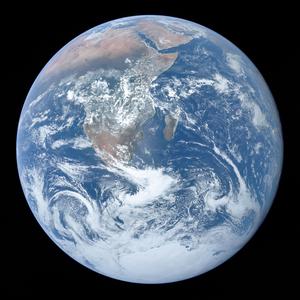
Earth as observed from Apollo 17
Pie de foto: Full disk view of the Earth taken on 7 December 1972, by the crew of the Apollo 17 spacecraft en route to the Moon at a distance of about 29,000 kilometres (18,000 mi). It shows Africa, Antarctica, and the Arabian Peninsula.
Crédito: NASA/Apollo 17 crew/Project Apollo Archive
License: PD Dominio público íconos

ISS' view of nightly Japan
Pie de foto: This nighttime photograph of Earth was taken from the International Space Station (ISS) by astronaut Scott Kelly in 2015 during Expedition 44. It captures the nation of Japan lit up after dark, with bright city lights tracing urban centers, major roadways, and densely populated regions. The view from orbit at night highlights how human activity shows up as patterns of light on Earth’s surface, with well-lit areas contrasting sharply against the surrounding darkness of rural regions and open water.
Photographs like this highlight what “night” looks like from space — not just a lack of sunlight, but also a time when artificial light reveals the rhythms of human life across the globe. From hundreds of kilometers above the planet, the night side of Earth appears as a tapestry of glowing clusters and dark spaces, offering insight into population distribution, infrastructure, and how cities remain active long after sunset. The ISS’s low orbit allows astronauts to capture these detailed views of Earth after dark, helping us appreciate both natural and human elements of nighttime on our planet.
Crédito: NASA
enlace de crédito
License: PD Dominio público íconos
Actividades relacionadas
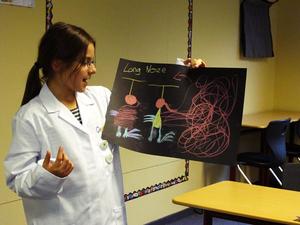
Design Your Alien
astroEDU educational activity (links to astroEDU website) Description: Design an alien life form suited for an extra-terrestrial world.
License: CC-BY-4.0 Creative Commons Reconocimiento 4.0 Internacional (CC BY 4.0) íconos
Etiquetas:
Life
, Environment
, Extra-terrestrial
, Art
, Creativity
, Hands-on
, Alien
Rango de edades:
8-10
, 10-12
Nivel educativo:
Primaria
, Secondary
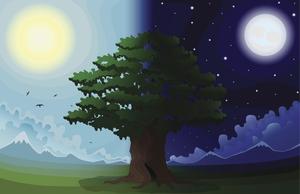
Why Do We Have Day and Night?
astroEDU educational activity (links to astroEDU website) Description: Explore day and night of Earth.
License: CC-BY-4.0 Creative Commons Reconocimiento 4.0 Internacional (CC BY 4.0) íconos
Etiquetas:
Tilt
Rango de edades:
6-8
, 8-10
, 10-12
Nivel educativo:
Primaria
, Secondary
Áreas de aprendizaje:
Modelización
, Centrado en la simulación
, Aprendizaje basado en la investigación estructurada
Costos:
Bajo coste
Duración:
1 hora y 30 minutos
Tamaño del grupo:
Grupo
Competencias:
Plantear preguntas
, Comunicar información
Globe at Night Activity Guide
astroEDU educational activity (links to astroEDU website) Description: Learn to observe and record the faintest visible stars to measure the light pollution.
License: CC-BY-4.0 Creative Commons Reconocimiento 4.0 Internacional (CC BY 4.0) íconos
Etiquetas:
Hands-on
, Dark skies
, ecology
, Citizen science
Rango de edades:
4-6
, 6-8
, 8-10
, 10-12
, 12-14
, 14-16
, 16-19
, 19+
Nivel educativo:
Educación no forma
, Educación secundaria
, Otros
, Primaria
, Secondary
, Universitario
Áreas de aprendizaje:
Basado en la observación
, Aprendizaje basado en proyectos
Costos:
Bajo coste
Tamaño del grupo:
Grupo
Competencias:
Comunicar información
, Planificar y llevar a cabo investigaciones
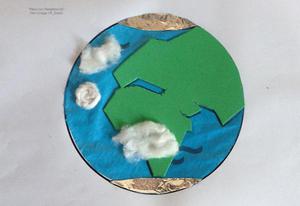
Meet Our Home: Planet Earth
astroEDU educational activity (links to astroEDU website) Description: Explore a tactile version of our home, the Earth, with household materials.
License: CC-BY-4.0 Creative Commons Reconocimiento 4.0 Internacional (CC BY 4.0) íconos
Etiquetas:
Hands-on
, Model
, Visually Impaired
, Tactile
Rango de edades:
6-8
, 8-10
, 10-12
Nivel educativo:
Educación secundaria
, Primaria
, Secondary
Áreas de aprendizaje:
Clase interactiva
, Modelización
Costos:
Bajo coste
Duración:
1 hora y 30 minutos
Tamaño del grupo:
Grupo
Competencias:
Analizar e interpretar datos
, Plantear preguntas
, Comunicar información
, Desarrollar y utilizar modelos
Blue Marble in Empty Space
astroEDU educational activity (links to astroEDU website) Description: Students are taken on a virtual journey to outer space to experience that we live on a tiny planet that floats in a vast and empty space.
License: CC-BY-4.0 Creative Commons Reconocimiento 4.0 Internacional (CC BY 4.0) íconos
Etiquetas:
Life
, Hands-on
, Model
, Scales
, Distances
, ISS
Rango de edades:
6-8
, 8-10
Nivel educativo:
Primaria
, Secondary
Áreas de aprendizaje:
Clase interactiva
, Modelización
Costos:
Bajo coste
Duración:
30 minutos
Tamaño del grupo:
Grupo
Competencias:
Plantear preguntas
, Comunicar información
, Desarrollar y utilizar modelos