Termine del Glossario Terra
Descrizione La Terra è il terzo pianeta a partire dal Sole, ed è il quinto pianeta più grande del Sistema Solare. È un pianeta roccioso e terrestre con un raggio di circa 6.400 chilometri (km). Ha una massa di circa 6.000 miliardi di miliardi di tonnellate.
La distanza tipica della Terra dal Sole è approssimativamente di 150 milioni di chilometri. Questa distanza è definita come una Unità Astronomica. La Terra impiega 365,26 giorni per completare l'orbita attorno al Sole. La Terra ha un satellite naturale, la Luna.
La Terra ospita milioni di specie di esseri viventi, tra cui gli esseri umani; è l'unico luogo dell'Universo ad oggi conosciuto che ospita la vita. Si ritiene che si sia formata all'incirca 4,54 miliardi di anni fa. La Terra è dotata di un'atmosfera e di una magnetosfera che bloccano le radiazioni nocive, permettendo così la moltiplicazione degli organismi viventi. La Terra ha anche un'estesa quantità d'acqua sulla sua superficie (l'unico pianeta conosciuto del sistema solare che possieda questa caratteristica ), che le conferisce un colore blu.
Termini correlati
Vedi questo termine in altre lingue
status del termine e della definizione La definizione originale di questo termine in inglese é stata approvata da un ricercatore astronomo e da un docente La traduzione di questo termine e della sua definizione sono state approvate da un ricercatore astronomo e da un docente
Il Glossario Multilingue OAE é un progetto dell'Ufficio IAU per la didatticadell'astronomia (OAE) in collaborazione con l'ufficio IAU OAO per la DivulgazioneAstronomica (OAO). I termini e le definizioni sono stater scelte, scritte eriviste da un impegno collettivo da parte di OAE, i Centri e i Nodi OAE e iCoordinatori Nazionali per la Didattica dell'Astronomia e da altri volontari.Potete trovare una lista completa dei crediti, Tutti i termini del glossarioE le definizioni sono pubblicate su Creative Commons CC BY-4.0 licenza e dovrebbero essere accreditate ad IAU OAE.
Se noti un errore di fatto o di traduzione in questo termine del glossario, per favore contattaci.
File multimediali correlati
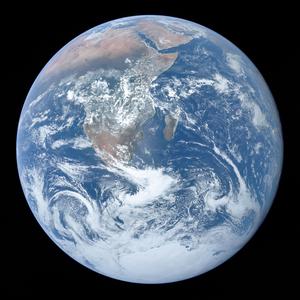
La Terra vista dall'Apollo 17
Didascalia: Il globo terrestre visto da una distanza di circa 29,000 km, così come apparve il 7 dicembre 1972 all'equipaggio della missione Apollo 17, in rotta verso la Luna. Sono chiaramente riconoscibili Africa, Antartide e penisola arabica.
Crediti: NASA/Equipaggio dell'Apollo 17/Archivio del Progetto Apollo
License: PD Dominio Pubblico icone

Il Giappone di notte visto dalla Stazione Spaziale Internazionale
Didascalia: Questa fotografia notturna della Terra è stata scattata dalla Stazione Spaziale Internazionale (ISS) dall’astronauta Scott Kelly nel 2015, durante la Missione 44. L’immagine ritrae il Giappone illuminato dopo il tramonto, con le luci brillanti delle città che delineano i centri urbani, le principali arterie stradali e le regioni densamente popolate. La vista dall'orbita di notte mette in evidenza come l'attività umana si manifesti sotto forma di giochi di luce sulla superficie terrestre, con aree ben illuminate che contrastano nettamente con l'oscurità circostante delle regioni rurali e del mare aperto.
Fotografie come questa evidenziano l'aspetto della "notte" vista dallo spazio: non solo un'assenza di luce solare, ma anche un momento in cui la luce artificiale rivela i ritmi della vita umana in tutto il mondo. Da centinaia di chilometri sopra il pianeta, il lato notturno della Terra appare come un arazzo di amassi luminosi e spazi bui, offrendo una visione della distribuzione della popolazione, delle infrastrutture e di come le città rimangano attive a lungo dopo il tramonto. L'orbita bassa della ISS consente agli astronauti di catturare queste immagini dettagliate della Terra dopo il tramonto, aiutandoci ad apprezzare gli elementi naturali ed umani della notte sul nostro pianeta.
Crediti: Agenzia spaziale statunitense
link ai crediti
License: PD Dominio Pubblico icone
Attività correlate
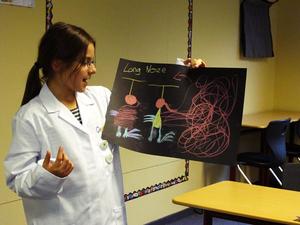
Design Your Alien
astroEDU educational activity (links to astroEDU website) Description: Design an alien life form suited for an extra-terrestrial world.
License: CC-BY-4.0 Creative Commons Attribuzione 4.0 Internazionale (CC BY 4.0) icone
Etichette:
Life
, Environment
, Extra-terrestrial
, Art
, Creativity
, Hands-on
, Alien
Fasce d'età
8-10
, 10-12
Livello di istruzione
Primary
, Secondary
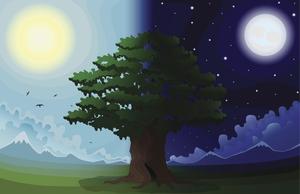
Why Do We Have Day and Night?
astroEDU educational activity (links to astroEDU website) Description: Explore day and night of Earth.
License: CC-BY-4.0 Creative Commons Attribuzione 4.0 Internazionale (CC BY 4.0) icone
Etichette:
Tilt
Fasce d'età
6-8
, 8-10
, 10-12
Livello di istruzione
Primary
, Secondary
Aree di apprendimento
Modelling
, Simulation focussed
, Structured-inquiry learning
Costi:
Low Cost
Durata:
1 hour 30 mins
Dimensione del Gruppo:
Group
Abilità:
Asking questions
, Communicating information
Globe at Night Activity Guide
astroEDU educational activity (links to astroEDU website) Description: Learn to observe and record the faintest visible stars to measure the light pollution.
License: CC-BY-4.0 Creative Commons Attribuzione 4.0 Internazionale (CC BY 4.0) icone
Etichette:
Hands-on
, Dark skies
, ecology
, Citizen science
Fasce d'età
4-6
, 6-8
, 8-10
, 10-12
, 12-14
, 14-16
, 16-19
, 19+
Livello di istruzione
Informal
, Middle School
, Other
, Primary
, Secondary
, University
Aree di apprendimento
Observation based
, Project-based learning
Costi:
Low Cost
Dimensione del Gruppo:
Group
Abilità:
Communicating information
, Planning and carrying out investigations
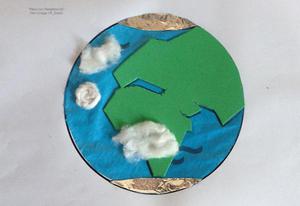
Meet Our Home: Planet Earth
astroEDU educational activity (links to astroEDU website) Description: Explore a tactile version of our home, the Earth, with household materials.
License: CC-BY-4.0 Creative Commons Attribuzione 4.0 Internazionale (CC BY 4.0) icone
Etichette:
Hands-on
, Model
, Visually Impaired
, Tactile
Fasce d'età
6-8
, 8-10
, 10-12
Livello di istruzione
Middle School
, Primary
, Secondary
Aree di apprendimento
Interactive Lecture
, Modelling
Costi:
Low Cost
Durata:
1 hour 30 mins
Dimensione del Gruppo:
Group
Abilità:
Analysing and interpreting data
, Asking questions
, Communicating information
, Developing and using models
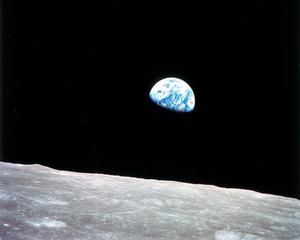
Blue Marble in Empty Space
astroEDU educational activity (links to astroEDU website) Description: Students are taken on a virtual journey to outer space to experience that we live on a tiny planet that floats in a vast and empty space.
License: CC-BY-4.0 Creative Commons Attribuzione 4.0 Internazionale (CC BY 4.0) icone
Etichette:
Life
, Hands-on
, Model
, Scales
, Distances
, ISS
Fasce d'età
6-8
, 8-10
Livello di istruzione
Primary
, Secondary
Aree di apprendimento
Interactive Lecture
, Modelling
Costi:
Low Cost
Durata:
30 mins
Dimensione del Gruppo:
Group
Abilità:
Asking questions
, Communicating information
, Developing and using models