Termine del Glossario Luna
Descrizione La Luna è un corpo celeste che non è luminoso di per sé, ma riflette la luce solare che cade su di essa. Questo produce le caratteristiche fasi lunari. La Luna è l'unico grande satellite naturale della Terra e si colloca al quinto posto tra i satelliti naturali del Sistema solare in termini di dimensioni e massa. Il termine "Luna" è scritto in maiuscolo per distinguerla dagli altri satelliti naturali, o lune, del sistema solare e non solo. Rispetto alle altre lune del Sistema solare, la Luna ha le dimensioni maggiori rispetto a quelle del pianeta attorno a cui orbita. La Luna segue un'orbita ellittica intorno alla Terra, a una distanza media dalla Terra di 384.000 km. Non ha atmosfera ed è composta da materiali simili a quelli della Terra, con un nucleo ricco di ferro e strati esterni rocciosi. La somiglianza non è casuale: per quanto ne sappiamo, la Luna si è formata dai detriti della collisione tra la Terra e un pianeta delle dimensioni di Marte circa 4,5 miliardi di anni fa; la maggior parte del suo materiale proviene dal mantello della Terra originale. La superficie della Luna presenta aree scure, dette mare, altipiani più chiari ed è costellata di crateri. La superficie della Luna è di 3,79 x 10⁷ chilometri quadrati, il suo volume è di 2,20 x 10¹⁰ chilometri cubi e la sua massa è di 7,35 x 10²² kg. Il valore esatto del periodo orbitale della Luna intorno alla Terra dipende dal quadro di riferimento: Rispetto alle stelle lontane, compie un'orbita ogni 27,3 giorni ("periodo siderale"). Per un osservatore sulla Terra, l'intervallo tra due lune nuove è di 29,5 giorni ("periodo sinodico").
Termini correlati
Vedi questo termine in altre lingue
status del termine e della definizione La definizione originale di questo termine in inglese é stata approvata da un ricercatore astronomo e da un docente La traduzione di questo termine e della sua definizione sono ancora in attesa di approvazione
Il Glossario Multilingue OAE é un progetto dell'Ufficio IAU per la didatticadell'astronomia (OAE) in collaborazione con l'ufficio IAU OAO per la DivulgazioneAstronomica (OAO). I termini e le definizioni sono stater scelte, scritte eriviste da un impegno collettivo da parte di OAE, i Centri e i Nodi OAE e iCoordinatori Nazionali per la Didattica dell'Astronomia e da altri volontari.Potete trovare una lista completa dei crediti, Tutti i termini del glossarioE le definizioni sono pubblicate su Creative Commons CC BY-4.0 licenza e dovrebbero essere accreditate ad IAU OAE.
Se noti un errore di fatto o di traduzione in questo termine del glossario, per favore contattaci.
File multimediali correlati
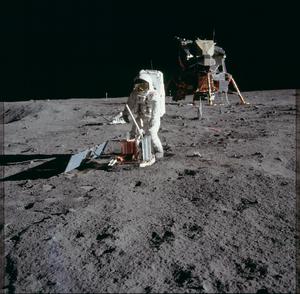
Attività lunare dell'Apollo 11
Didascalia: L'astronauta della NASA Edwin 'Buzz' Aldrin installa un sismometro durante un'attività extraveicolare (EVA) sulla Luna. Alle sue spalle è visibile il modulo lunare dell'Apollo 11, Eagle. Neil Armstrong scattò questa foto durante la prima missione umana sulla superficie della Luna, nel 1969.
Crediti: NASA/Archivio del Progetto Apollo
link ai crediti
License: PD Dominio Pubblico icone
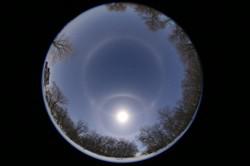
Selene incontra la luna, di Sheila Wiwchar, Canada
Didascalia: Primo posto al concorso di astrofotografia IAU OAE 2021, categoria Aloni di Sole/Luna.
Fotografata a Kaleida, Manitoba in Canada, questa immagine fisheye cattura magnificamente il raro fenomeno ottico che circonda la luna noto come "alone a 22°" e il cerchio bianco orizzontale che attraversa la luna chiamato "cerchio paraselenico". La fascia bianca che circonda l'intero cielo alla stessa altitudine della luna prende il nome da Selene, l'antico Titano greco, notoriamente chiamato la dea della luna. La controparte più comunemente osservata prodotta dal sole è nota come cerchio paraselenico, dal nome del dio greco del sole, Helios. Sia l'alone di 22° che il cerchio paraselenico sono prodotti dalla riflessione della luce lunare da superfici quasi verticali di cristalli di ghiaccio. Le parti più vicine alla luna sono causate da riflessioni esterne, mentre quelle più lontane sono create da riflessioni interne. La costellazione dell'Orsa Maggiore al centro rende questa immagine ancora più spettacolare. Riuscite a individuarla?
Crediti: Sheila Wiwchar/IAU OAE
License: CC-BY-4.0 Creative Commons Attribuzione 4.0 Internazionale (CC BY 4.0) icone
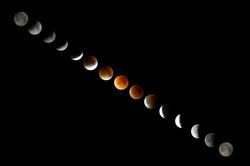
Luna rossa, di Daniel Henrion, Francia
Didascalia: Terzo posto al concorso di astrofotografia IAU OAE 2021, categoria Eclissi lunare totale.
Immagini time-lapse di un'eclissi lunare totale di superluna avvenuta il 28 settembre 2015. Le foto mostrano la Luna durante il suo passaggio attraverso l'ombra terrestre: l'ombra terrestre ha toccato il lembo esterno della Luna alle ore 1.07 UTC (angolo superiore sinistro) e ha lasciato la superficie lunare alle ore 4.27 UTC (angolo inferiore destro).
Crediti: Daniel Henrion/IAU OAE
License: CC-BY-4.0 Creative Commons Attribuzione 4.0 Internazionale (CC BY 4.0) icone
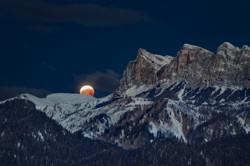
Un'eclisse lunare tramonta dietro la Rochetta di Prendera, Dolomiti Unesco, di Alessandra Masi, Italia
Didascalia: Primo posto al concorso di astrofotografia IAU OAE 2021, categoria Eclissi lunare totale.
Un'eclissi lunare si verifica quando la luna piena entra nell'ombra della Terra. Ciò avviene quando il Sole, la Terra e la Luna sono esattamente (o quasi) allineati. La luce rossastra riflessa dalla superficie lunare è causata dalla luce solare che è stata rifratta nel suo percorso attraverso l'atmosfera terrestre in direzione della Luna. Appare rossastra a causa della dispersione di Rayleigh della luce più blu. La forma rotonda dell'ombra terrestre visibile sulla superficie lunare per Aristotele dimostrava che la Terra doveva essere una sfera. Questa foto mostra la Luna in eclisse che tramonta vicino alla Rochetta di Prendera, Dolomiti Unesco, Italia, il 21 gennaio 2019.
Crediti: Alessandra Masi/IAU OAE
License: CC-BY-4.0 Creative Commons Attribuzione 4.0 Internazionale (CC BY 4.0) icone
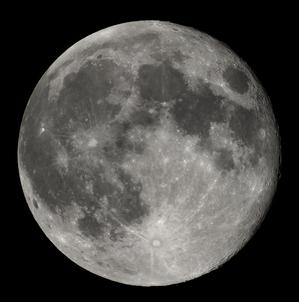
Luna piena
Didascalia: L'immagine mostra la Luna quasi piena osservata con un piccolo telescopio e una fotocamera DSLR.
Crediti: Luc Viatour
link ai crediti
License: CC-BY-SA-3.0 Creative Commons Attribuzione - Condividi allo stesso modo 3.0 Unported icone
Diagrami correlati
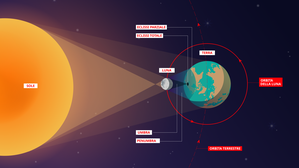
Eclissi totale di Sole
Didascalia: Questo diagramma, non in scala, mostra cosa accade durante un’eclissi solare totale. La Luna orbita attorno alla Terra, ma la sua orbita è leggermente inclinata rispetto a quella terrestre attorno al Sole. Durante la fase di luna nuova, la Luna si trova tra la Terra e il Sole, ma a causa dell’inclinazione della sua orbita attorno alla Terra, in questo momento la Luna si trova normalmente sopra o sotto il Sole. Tuttavia, due volte all'anno l'orbita della Luna si allinea in modo tale che la Luna possa trovarsi in linea retta tra la Terra e il Sole. Durante questo periodo può verificarsi un'eclissi solare. La Luna è circa 400 volte più piccola del Sole, ma è 400 volte più vicina alla Terra rispetto al Sole. Di conseguenza, il Sole e la Luna hanno approssimativamente la stessa dimensione angolare se osservati dalla Terra. Ciò significa che è possibile che la Luna copra completamente il Sole se osservata dalla Terra. Questo fenomeno è noto come eclissi solare totale.
Qui vediamo uno schema di tale eclissi. La Luna proietta un'ombra sulla Terra - nota come "umbra". Si tratta di un'ombra approssimativamente circolare di alcune centinaia di chilometri di diametro. Qualsiasi regione all'interno dell'umbra vedrà la Luna coprire completamente il Sole e quindi assisterà a un'eclissi solare totale. Al di fuori dell'umbra ci sono regioni in cui la Luna coprirà parte del Sole. Questa ombra parziale è nota come penumbra. Le regioni nella penumbra vivranno un'eclissi solare parziale.
Un'eclissi è un evento dinamico in cui la Luna si muove nella sua orbita e la Terra ruota. Di conseguenza, l'umbra e la penumbra si spostano sulla superficie terrestre. Il percorso che l'ombra compie sulla Terra è noto come percorso di totalità. Consideriamo una regione particolare che si trova nel percorso di totalità. Tranne in rari casi in cui un'eclissi inizia all'alba, una regione che vive la totalità vedrà prima la Luna coprire parte del Sole e spostarsi gradualmente sul Sole fino a coprirlo totalmente. Dall'esterno della Terra ciò apparirebbe come la penumbra che si sposta su questa particolare regione seguita dall'umbra che si sposta su questa regione. Una volta che la Luna si sposta in modo da non coprire più completamente il Sole, la totalità termina e l'umbra si allontana da questa particolare regione. La Luna continuerà a scoprire il Sole fino a quando (a meno che il Sole non tramonti prima della fine dell'eclissi) il Sole non sarà completamente scoperto. Dall'esterno della Terra ciò apparirebbe come l'umbra che si allontana dalla nostra particolare regione e il bordo della penumbra che si avvicina e alla fine passa sopra la regione.
Al di fuori del percorso o della totalità c'è una regione molto più ampia che si troverà nella penumbra ma non sarà interessata dall'umbra. Tali regioni non vedranno un'eclissi solare totale durante questo evento, ma solo un'eclissi solare parziale.
Crediti: Aneta Margraf/IAU OAE
License: CC-BY-4.0 Creative Commons Attribuzione 4.0 Internazionale (CC BY 4.0) icone
Attività correlate
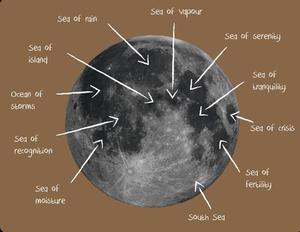
Lunar Landscape
astroEDU educational activity (links to astroEDU website) Description: Create craters and explore the lunar landscape with this hands-on activity.
License: CC-BY-4.0 Creative Commons Attribuzione 4.0 Internazionale (CC BY 4.0) icone
Etichette:
Hands-on
, Model
, Lunar landscape
, Craters
Fasce d'età
4-6
, 6-8
, 8-10
Livello di istruzione
Primary
Aree di apprendimento
Modelling
Costi:
Medium Cost
Dimensione del Gruppo:
Group
Abilità:
Asking questions
, Communicating information
, Developing and using models
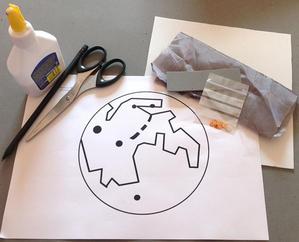
Meet Our Neighbours: Moon
astroEDU educational activity (links to astroEDU website) Description: Explore the tactile version of our moon with household materials.
License: CC-BY-4.0 Creative Commons Attribuzione 4.0 Internazionale (CC BY 4.0) icone
Etichette:
Hands-on
, Model
, Visually Impaired
, Tactile
Fasce d'età
6-8
, 8-10
, 10-12
Livello di istruzione
Middle School
, Primary
, Secondary
Aree di apprendimento
Interactive Lecture
, Modelling
Costi:
Low Cost
Dimensione del Gruppo:
Group
Abilità:
Analysing and interpreting data
, Asking questions
, Communicating information
, Developing and using models
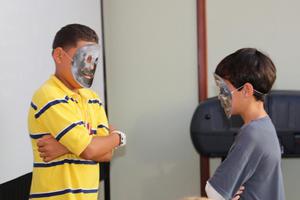
Lunar Day
astroEDU educational activity (links to astroEDU website) Description: Through a fun-learning activity, understand why moon always keeps the same face towards Earth.
License: CC-BY-4.0 Creative Commons Attribuzione 4.0 Internazionale (CC BY 4.0) icone
Etichette:
Lunar day
Fasce d'età
4-6
, 6-8
Livello di istruzione
Primary
, Secondary
Aree di apprendimento
Modelling
, Simulation focussed
Costi:
Free
Durata:
30 mins
Dimensione del Gruppo:
Group
Abilità:
Analysing and interpreting data
, Asking questions
, Communicating information
, Constructing explanations
, Developing and using models
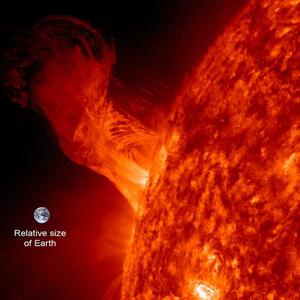
Sun, Earth and Moon Model
astroEDU educational activity (links to astroEDU website) Description: Build an Earth-Moon-Sun mobile to learn about how they orbit.
License: CC-BY-4.0 Creative Commons Attribuzione 4.0 Internazionale (CC BY 4.0) icone
Etichette:
Hands-on
, Model
Fasce d'età
8-10
Livello di istruzione
Primary
Aree di apprendimento
Game-mediated learning
, Modelling
, Structured-inquiry learning
Costi:
Medium Cost
Durata:
1 hour 30 mins
Dimensione del Gruppo:
Group
Abilità:
Asking questions
, Communicating information
, Developing and using models
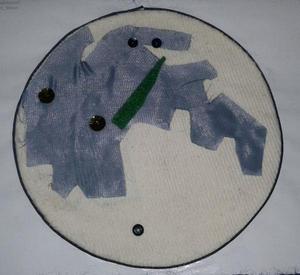
Children's Planetary Maps: The Moon
astroEDU educational activity (links to astroEDU website) Description: An up close look at our own satellite
License: CC-BY-4.0 Creative Commons Attribuzione 4.0 Internazionale (CC BY 4.0) icone
Etichette:
Maps
, Planetary cartography
, Spatial thinking
Fasce d'età
6-8
, 8-10
, 10-12
, 12-14
Livello di istruzione
Middle School
, Primary
, Secondary
Aree di apprendimento
Structured-inquiry learning
Costi:
Low Cost
Durata:
2 hours
Dimensione del Gruppo:
Group
Abilità:
Analysing and interpreting data
, Asking questions
, Communicating information
, Constructing explanations
, Developing and using models
, Engaging in argument from evidence
, Planning and carrying out investigations