Termo do glossário: Noite
Descrição: A noite é um período de escuridão quando o Sol está abaixo do horizonte. A noite vai do pôr do Sol ao nascer do Sol. Na maior parte da Terra, cada dia de 24 horas tem uma noite. Entretanto, ao norte do Círculo Polar Ártico e ao sul do Círculo Polar Antártico, há períodos de escuridão em torno do solstício de inverno, onde a noite polar pode durar meses. Essas áreas não têm noite na época do solstício de verão.
O período em que o Sol está logo abaixo do horizonte é chamado de crepúsculo. Durante o crepúsculo, o Sol ainda ilumina parte do céu. O crepúsculo é dividido em três períodos iguais: crepúsculo civil, crepúsculo náutico e crepúsculo astronômico. Durante o crepúsculo civil - quando o Sol está entre zero e seis graus abaixo do horizonte - o céu é relativamente claro, portanto, a iluminação artificial, como a iluminação pública, geralmente não é sempre necessária. O crepúsculo náutico - quando o Sol está de seis a 12 graus abaixo do horizonte - tem ao mesmo tempo estrelas brilhantes visíveis e um céu claro o suficiente para ver o horizonte mesmo em uma noite sem lua. Isso permite que os marinheiros naveguem usando a navegação astronômica. O crepúsculo astronômico é quando o Sol está de 12 a 18 graus abaixo do horizonte.
Termos relacionados:
Ver este termo em outros idiomas
Status do termo e da definição: A definição original deste termo em inglês foi aprovada por um astrônomo(a) pesquisador(a) e um(a) professor(a) A tradução deste termo e de sua definição ainda aguarda aprovação
O Glossário Multilíngue da OAE é um projeto do Escritório da IAU de Astronomia para a Educação (OAE) em colaboração com o Escritório da IAU para Divulgação da Astronomia (OAO). Os termos e definições foram selecionados, escritos e revisados por meio de um esforço coletivo da OAE, dos Centros e Nós da OAE, dos Coordenadores Nacionais de Educação em Astronomia (NAECs) da OAE e de outros voluntários. Você pode encontrar uma lista completa dos créditos aqui. Todos os termos do glossário e suas definições são disponibilizados sob uma licença Creative Commons CC BY-4.0 e devem ser creditados à "IAU OAE".
Se você notar algum erro factual ou de tradução neste termo do glossário ou em sua definição, por favor entre em contato.
Mídia relacionada

Vista do Japão à noite a partir da ISS
Legenda: Esta fotografia noturna da Terra foi tirada da Estação Espacial Internacional (ISS) pelo astronauta Scott Kelly em 2015, durante a Expedição 44. Ela mostra o Japão iluminado após o anoitecer, com as luzes brilhantes das cidades delineando os centros urbanos, as principais rodovias e regiões densamente povoadas. A vista da órbita durante a noite destaca como a atividade humana se manifesta como padrões de luz na superfície da Terra, com áreas bem iluminadas contrastando fortemente com a escuridão circundante das regiões rurais e da região oceânica. Fotografias como esta mostram como é a “noite” vista do espaço — não apenas uma ausência de luz solar, mas também um momento em que a luz artificial revela os ritmos da vida humana em todo o planeta. A centenas de quilômetros acima do planeta, o lado noturno da Terra aparece como uma tapeçaria de aglomerados brilhantes e áreas escuras, oferecendo uma visão sobre a distribuição da população, a infraestrutura e como as cidades permanecem ativas muito tempo após o pôr do sol. A órbita baixa da ISS permite que os astronautas capturem essas imagens detalhadas da Terra após o anoitecer, ajudando-nos a apreciar tanto os elementos naturais quanto os humanos da noite em nosso planeta.
Crédito: NASA
link do crédito
License: PD Domínio Público ícones
Atividades relacionadas
Why Do We Have Day and Night?
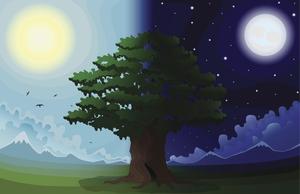
astroEDU educational activity (links to astroEDU website) Description: Explore day and night of Earth.
License: CC-BY-4.0 Creative Commons Attribution 4.0 International (CC BY 4.0) ícones
Tags:
Tilt
Faixas etárias:
6-8
, 8-10
, 10-12
Nível de ensino:
Básico
, Médio
Áreas de aprendizagem:
Modelagem
, Com foco em simulação
, Aprendizagem por investigação estruturada
Custos:
Baixo custo
Duração:
1 hour 30 mins
Tamanho do grupo:
Grupo
Habilidades:
Fazer perguntas
, Comunicar informações
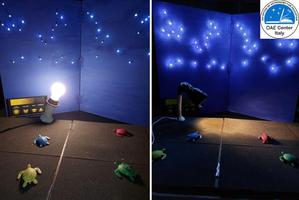
Let there be light… but not too much!
astroEDU educational activity (links to astroEDU website) Description: Build a model to learn what light pollution is and what its effects are.
License: CC-BY-4.0 Creative Commons Attribution 4.0 International (CC BY 4.0) ícones
Tags:
Pollution
, sky observation
, lighting source
Faixas etárias:
6-8
, 8-10
, 10-12
Nível de ensino:
Ensino fundamental
, Básico
Áreas de aprendizagem:
Grupos de discussão
, Modelagem
, Baseado em observação
, Aprendizagem baseada em projetos
Custos:
Custo médio
Duração:
2 hours
Tamanho do grupo:
Grupo
Habilidades:
Fazer perguntas
, Desenvolver e usar modelos
, Engajar-se em argumentação com base em evidências