Termo do glossário: Espaço
Descrição: Espaço possui duas definições na astronomia: o espaço (ou “espaço sideral”) é tudo o que existe além da Terra; em termos mais técnicos, são as dimensões de comprimento, largura e profundidade dentro das quais todas as coisas existem (em oposição ao tempo, que às vezes é considerado como uma quarta dimensão).
Termos relacionados:
Ver este termo em outros idiomas
Status do termo e da definição: A definição original deste termo em inglês foi aprovada por um astrônomo(a) pesquisador(a) e um(a) professor(a) A tradução deste termo e de sua definição ainda aguarda aprovação
O Glossário Multilíngue da OAE é um projeto do Escritório da IAU de Astronomia para a Educação (OAE) em colaboração com o Escritório da IAU para Divulgação da Astronomia (OAO). Os termos e definições foram selecionados, escritos e revisados por meio de um esforço coletivo da OAE, dos Centros e Nós da OAE, dos Coordenadores Nacionais de Educação em Astronomia (NAECs) da OAE e de outros voluntários. Você pode encontrar uma lista completa dos créditos aqui. Todos os termos do glossário e suas definições são disponibilizados sob uma licença Creative Commons CC BY-4.0 e devem ser creditados à "IAU OAE".
Se você notar algum erro factual ou de tradução neste termo do glossário ou em sua definição, por favor entre em contato.
Mídia relacionada

A Nebulosa Cabeça de Cavalo
Legenda: Esta imagem mostra a Nebulosa Cabeça de Cavalo, localizada a cerca de 1.300 anos-luz da Terra, na constelação de Órion, um dos exemplos mais emblemáticos de nebulosa escura. Uma nebulosa escura é uma densa nuvem de poeira interestelar e gás frio que absorve e dispersa a luz visível, impedindo que a luz das estrelas de fundo e de gás brilhante cheguem aos nossos olhos. Esta imagem em cor falsar combina dados obtidos por meio de múltiplos filtros de banda estreita, cada um isolando a luz de diferentes elementos na nebulosa. A silhueta escura em forma que lembra a cabeça de um cavalo aparece com contornos nítidos contra a nebulosa luminosa ao fundo, onde a radiação energética de estrelas jovens próximas faz com que o gás brilhe. A distribuição irregular das estrelas visíveis nesta imagem não é aleatória: regiões ricas em poeira na parte inferior da imagem parecem quase vazias, enquanto áreas mais claras revelam muitas estrelas de fundo. A poeira age como uma cortina cósmica, ocultando as estrelas que se encontram atrás dela, ao mesmo tempo que permite que as estrelas à frente da nuvem permaneçam visíveis. O estudo dessas regiões ajuda os astrônomos a compreender como as nebulosas servem de ambiente para a formação de novas estrelas.
Crédito: T.A. Rector (NOIRLab/NSF/AURA) e Equipe Hubble Heritage (STScI/AURA/NASA)
link do crédito
License: CC-BY-4.0 Creative Commons Attribution 4.0 International (CC BY 4.0) ícones
Atividades relacionadas
Deadly Moons
astroEDU educational activity (links to astroEDU website) Description: Through art and science, children learn about moons of our solar system.
License: CC-BY-4.0 Creative Commons Attribution 4.0 International (CC BY 4.0) ícones
Tags:
Art
, Creativity
, Hands-on
, Drawing
Faixas etárias:
6-8
, 8-10
, 10-12
Nível de ensino:
Básico
, Médio
Áreas de aprendizagem:
Com foco em belas-artes
, Aprendizagem por investigação estruturada
Custos:
Alto custo
Duração:
1 hour
Tamanho do grupo:
Grupo
Habilidades:
Fazer perguntas
, Comunicar informações
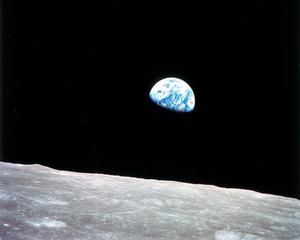
Blue Marble in Empty Space
astroEDU educational activity (links to astroEDU website) Description: Students are taken on a virtual journey to outer space to experience that we live on a tiny planet that floats in a vast and empty space.
License: CC-BY-4.0 Creative Commons Attribution 4.0 International (CC BY 4.0) ícones
Tags:
Life
, Hands-on
, Model
, Scales
, Distances
, ISS
Faixas etárias:
6-8
, 8-10
Nível de ensino:
Básico
, Médio
Áreas de aprendizagem:
Aula interativa
, Modelagem
Custos:
Baixo custo
Duração:
30 mins
Tamanho do grupo:
Grupo
Habilidades:
Fazer perguntas
, Comunicar informações
, Desenvolver e usar modelos