Término del glosario: Espacio
Descripción: En astronomía, el término «espacio» tiene dos acepciones: el espacio (o «espacio exterior») es todo lo que existe más allá de la Tierra; desde un punto de vista más técnico, se refiere a las dimensiones de longitud, anchura y profundidad en las que existen todas las cosas (a diferencia del tiempo, que a veces se considera una cuarta dimensión).
Términos relacionados:
Ver este término en otros idiomas
Estado del término y la definición: La definición original de este término en inglés ha sido aprobada por unastrónomo o astrónoma investigadora y un docente La traducción de este término y su definición aún están pendientes de aprobación
El Glosario multilingüe de la OAE es un proyecto de la Oficina de Astronomía para la Educación de la UAI (OAE) en colaboración con la Oficina de Divulgación de Astronomía de la UAI (OAO). Los términos y definiciones fueron seleccionados, redactados y revisados gracias al esfuerzo colectivo de la OAE, los Centros y Nodos de la OAE, los Coordinadores Nacionales de Educación Astronómica (NAECs) y otros voluntarios. Puedes encontrar una lista completa de créditos aquí. Todos los términos del glosario y sus definiciones se publican bajo la licencia Creative Commons CC BY-4.0 y deben atribuirse a la "IAU OAE".
Si detectas algún error de contenido o de traducción en este término del glosario o en ladefinición, ponte en contacto con nosotros.
Contenidos relacionados

The Horsehead Nebula
Pie de foto: This image shows the Horsehead Nebula, located at a distance of about 1,300 light-years from Earth in the Orion constellation, one of the most iconic examples of a dark nebula. A dark nebula is a dense cloud of interstellar dust and cold gas that absorbs and scatters visible light, preventing background stars and glowing gas from reaching our eyes. This false-color image combines data captured through multiple narrowband filters, each isolating light from different elements in the nebula. The dark, horse-shaped silhouette appears sharply outlined against the luminous nebula behind it, where energetic radiation from nearby young stars causes the gas to glow. The uneven distribution of visible stars in this image is not random: regions rich in dust in the lower part of this image appear almost empty, while clearer areas reveal many background stars. The dust acts like a cosmic curtain, hiding stars that lie behind it while allowing stars in front of the cloud to remain visible. Studying such regions helps astronomers understand how nebulae serve as environments where new stars can form.
Crédito: T.A.Rector (NOIRLab/NSF/AURA) and Hubble Heritage Team (STScI/AURA/NASA)
enlace de crédito
License: CC-BY-4.0 Creative Commons Reconocimiento 4.0 Internacional (CC BY 4.0) íconos
Actividades relacionadas
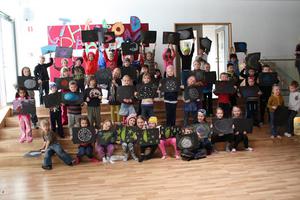
Deadly Moons
astroEDU educational activity (links to astroEDU website) Description: Through art and science, children learn about moons of our solar system.
License: CC-BY-4.0 Creative Commons Reconocimiento 4.0 Internacional (CC BY 4.0) íconos
Etiquetas:
Art
, Creativity
, Hands-on
, Drawing
Rango de edades:
6-8
, 8-10
, 10-12
Nivel educativo:
Primaria
, Secondary
Áreas de aprendizaje:
Centrado en las bellas artes
, Aprendizaje basado en la investigación estructurada
Costos:
Alto coste
Duración:
1 hora
Tamaño del grupo:
Grupo
Competencias:
Plantear preguntas
, Comunicar información
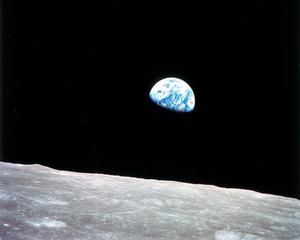
Blue Marble in Empty Space
astroEDU educational activity (links to astroEDU website) Description: Students are taken on a virtual journey to outer space to experience that we live on a tiny planet that floats in a vast and empty space.
License: CC-BY-4.0 Creative Commons Reconocimiento 4.0 Internacional (CC BY 4.0) íconos
Etiquetas:
Life
, Hands-on
, Model
, Scales
, Distances
, ISS
Rango de edades:
6-8
, 8-10
Nivel educativo:
Primaria
, Secondary
Áreas de aprendizaje:
Clase interactiva
, Modelización
Costos:
Bajo coste
Duración:
30 minutos
Tamaño del grupo:
Grupo
Competencias:
Plantear preguntas
, Comunicar información
, Desarrollar y utilizar modelos