Termine del Glossario Le stagioni
Descrizione L'asse terrestre non è perpendicolare all'orbita della Terra intorno al Sole, ma inclinato di 23,4 gradi. Di conseguenza, la posizione apparente del Sole nel cielo in un determinato momento della giornata varia nel corso dell'anno. Quando il Sole è mediamente più alto nel cielo, una maggiore quantità di luce solare raggiunge una determinata area del terreno. Nel corso dell'anno, questo porta a periodi di tempo più caldi e più freddi, più pronunciati per le regioni più lontane dall'equatore terrestre, che sono definiti stagioni. Le stagioni dell'emisfero settentrionale sono opposte a quelle meridionali: l'estate boreale, cioé i tre mesi centrati sul 21 giugno in cui l'emisfero settentrionale raggiunge la massima inclinazione verso il Sole, corrisponde all'inverno australe, con l'emisfero meridionale inclinato in senso opposto, e viceversa l'estate australe è il periodo di tre mesi intorno al 21 dicembre. Molte zone della Terra vicine all'equatore hanno stagioni diverse dall'andamento estivo e invernale che si osserva alle latitudini temperate e artiche. Va notato che la durata, l'inizio e la fine di ogni stagione possono essere influenzati dalle abitudini culturali e dal periodo.
Termini correlati
Vedi questo termine in altre lingue
status del termine e della definizione La definizione originale di questo termine in inglese é stata approvata da un ricercatore astronomo e da un docente La traduzione di questo termine e della sua definizione sono state approvate da un ricercatore astronomo e da un docente
Il Glossario Multilingue OAE é un progetto dell'Ufficio IAU per la didatticadell'astronomia (OAE) in collaborazione con l'ufficio IAU OAO per la DivulgazioneAstronomica (OAO). I termini e le definizioni sono stater scelte, scritte eriviste da un impegno collettivo da parte di OAE, i Centri e i Nodi OAE e iCoordinatori Nazionali per la Didattica dell'Astronomia e da altri volontari.Potete trovare una lista completa dei crediti, Tutti i termini del glossarioE le definizioni sono pubblicate su Creative Commons CC BY-4.0 licenza e dovrebbero essere accreditate ad IAU OAE.
Se noti un errore di fatto o di traduzione in questo termine del glossario, per favore contattaci.
In Altre Lingue
- Arabo: الفصول
- Tedesco: Jahreszeiten
- Inglese: Seasons
- Spagnolo: Estaciones
- Persiano: فصلها
- Francese: Saisons
- Giapponese: 季節の変化 (external link)
- Brasiliano Portoghese: Estações do ano
- Cinese semplificato: 季节
- Cinese tradizionale: 季節
Diagrami correlati
Solstizi ed equinozi
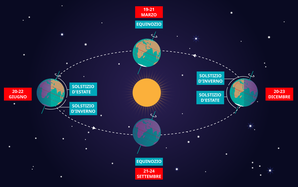
Didascalia: Questo diagramma illustra le posizioni relative della Terra e del Sole nei due solstizi e nei due equinozi. L'asse di rotazione della Terra è inclinato di 23,4° rispetto all'asse della sua orbita. Ciò significa che per metà dell'orbita annuale della Terra attorno al Sole, l'emisfero meridionale è inclinato verso il Sole, mentre l'emisfero settentrionale è inclinato nella direzione opposta. Durante questo periodo il Sole sembra trovarsi al di sotto dell'equatore celeste. Per questo motivo, in qualsiasi punto dell'emisfero meridionale, il Sole apparirà più alto sopra l'orizzonte in un determinato momento della giornata e le giornate saranno più lunghe. Al contrario, durante questo periodo, il Sole appare più basso nel cielo in qualsiasi momento della giornata nell'emisfero settentrionale e le giornate sono più corte.
Questo effetto è più pronunciato alla fine di dicembre, quando il Sole appare nel punto più meridionale del cielo, corrispondente al giorno più lungo dell'anno nell'emisfero meridionale. Ciò avviene normalmente il 21 o il 22 dicembre (UTC), a seconda di quando è stato l'ultimo anno bisestile, ma può verificarsi molto occasionalmente il 20 o il 23 dicembre. Questo evento è noto come solstizio di dicembre. Poiché in questo periodo i raggi del Sole colpiscono l'emisfero meridionale con un angolo più perpendicolare, l'emisfero meridionale è tipicamente più caldo in questo periodo dell'anno rispetto ad altri periodi. Questo periodo viene spesso definito estate nelle regioni temperate e antartiche dell'emisfero meridionale e quindi il solstizio di dicembre è noto come solstizio d'estate. A sud del Circolo Polare Antartico in questo periodo il Sole non tramonta mai e un Giorno Polare può durare diversi mesi. Al contrario, nell’emisfero settentrionale, i raggi del Sole colpiscono la Terra con un angolo più radente rispetto ad altri periodi dell’anno, quindi fa più freddo e questo solstizio è noto come solstizio d’inverno. A nord del Circolo Polare Artico il Sole non sorge mai in questo periodo e la Notte Polare può durare diversi mesi.
Con il passare dell'anno, la Terra si muove lungo la sua orbita e l'inclinazione dell'asse terrestre cambia, così da apparire più di profilo rispetto al Sole. Dal punto di vista di un osservatore sulla Terra, ciò significa che il Sole si sposta verso nord nel cielo, raggiungendo infine l'equatore celeste alla fine di marzo. Questo avviene solitamente il 20 marzo (UTC), ma a volte può verificarsi il 19 o il 21 marzo. Durante questo periodo, in tutti i luoghi della Terra si registreranno notti e giorni della durata di circa 12 ore. I raggi del Sole ora colpiscono l'emisfero meridionale con un angolo più obliquo rispetto a dicembre e l'emisfero settentrionale con un angolo più perpendicolare. Ciò significa che l'emisfero settentrionale si sarà riscaldato rispetto a dicembre, mentre quello meridionale si sarà raffreddato. Questo fa sì che l'equinozio di marzo sia chiamato equinozio d'autunno nell'emisfero meridionale ed equinozio di primavera nell'emisfero settentrionale.
Man mano che l'anno avanza, il Sole si sposta più a nord nel cielo, le giornate nell'emisfero settentrionale si allungano e quelle nell'emisfero meridionale si accorciano. A giugno l'orbita terrestre è progredita al punto in cui l'emisfero settentrionale è rivolto verso il Sole e l'emisfero meridionale è rivolto lontano dal Sole. In un momento compreso tra il 20 e il 22 giugno (UTC) il Sole raggiunge il suo punto più settentrionale nel cielo; questo fenomeno è noto come solstizio di giugno. Ora è estate nelle regioni temperate settentrionali e artiche, quindi questo è noto come solstizio d'estate nell'emisfero settentrionale e solstizio d'inverno nell'emisfero meridionale. Questo è il giorno più lungo dell'anno nell'emisfero settentrionale e il giorno più corto dell'anno nell'emisfero meridionale. Durante questo periodo, le regioni a nord del Circolo Polare Artico vivono un lungo giorno polare e le regioni a sud del Circolo Polare Antartico vivono la notte polare.
L'anno procede e la Terra si muove nella sua orbita, così che l'inclinazione dell'asse terrestre appare nuovamente di lato rispetto al Sole. Il Sole si sposta verso sud nel cielo e attraversa nuovamente l'equatore celeste tra il 21 e il 24 settembre (UTC). In questo momento, in tutti i luoghi della Terra la durata del giorno e della notte è uguale. Questo fenomeno è noto come equinozio di settembre, chiamato anche equinozio di primavera o vernal nell'emisfero meridionale ed equinozio d'autunno nell'emisfero settentrionale.
Si noti che le dimensioni della Terra, del Sole e dell'orbita terrestre attorno al Sole non sono in scala in questo diagramma.
Crediti: Maria Cristina Fortuna/IAU OAE
License: CC-BY-4.0 Creative Commons Attribuzione 4.0 Internazionale (CC BY 4.0) icone
Attività correlate
Sun’s Shadow
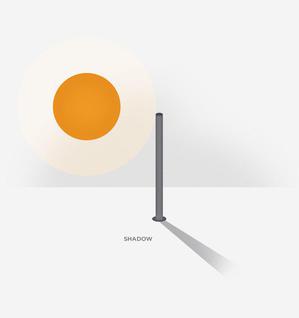
astroEDU educational activity (links to astroEDU website) Description: Why is the Sun's shadow so important?
License: CC-BY-4.0 Creative Commons Attribuzione 4.0 Internazionale (CC BY 4.0) icone
Etichette:
Hands-on
, Shadows
Fasce d'età
6-8
, 8-10
, 10-12
, 12-14
, 14-16
Livello di istruzione
Informal
, Middle School
, Primary
, Secondary
Aree di apprendimento
Observation based
, Structured-inquiry learning
Costi:
Medium Cost
Durata:
1 day
Dimensione del Gruppo:
Group
Abilità:
Asking questions
, Communicating information
, Constructing explanations
, Engaging in argument from evidence
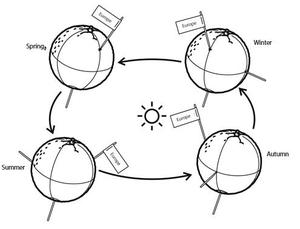
Seasons Around the World
astroEDU educational activity (links to astroEDU website) Description: Demonstrate the seasons on Earth using a model.
License: CC-BY-4.0 Creative Commons Attribuzione 4.0 Internazionale (CC BY 4.0) icone
Etichette:
Hands-on
, Model
Fasce d'età
6-8
, 8-10
, 10-12
Livello di istruzione
Middle School
, Primary
Aree di apprendimento
Modelling
, Structured-inquiry learning
Costi:
Medium Cost
Durata:
45 mins
Dimensione del Gruppo:
Group
Abilità:
Analysing and interpreting data
, Asking questions
, Constructing explanations
, Developing and using models
, Planning and carrying out investigations
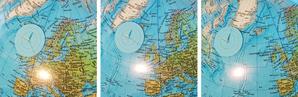
Navigate like a Viking – Use the Sun, not your phone!
astroEDU educational activity (links to astroEDU website) Description: Learn how the Vikings used the sky to navigate at sea with a hands-on activity!
License: CC-BY-4.0 Creative Commons Attribuzione 4.0 Internazionale (CC BY 4.0) icone
Etichette:
History
, Geography
, Maps
, Coordinates
, Celestial navigation
Fasce d'età
12-14
, 14-16
Livello di istruzione
Middle School
Aree di apprendimento
Discussion Groups
, Modelling
, Structured-inquiry learning
Costi:
Medium Cost
Durata:
1 hour 30 mins
Dimensione del Gruppo:
Group
Abilità:
Analysing and interpreting data
, Asking questions
, Communicating information
, Developing and using models
, Planning and carrying out investigations
, Using mathematics and computational thinking