词条 自转
描述: 自转是物体绕一条假想轴(称为自转轴)的运动。当物体自转时,其各个部分与自转轴保持完全相同的距离。一般来说,恒星(包括太阳)、行星、卫星或小行星都会围绕一个固定的轴旋转。地球围绕地轴旋转,地轴是穿过地球南北两极的假想轴。地球表面的每个观察者都能看到夜空景象的变化,星星不断从东边地平线升起,沿着西边地平线落下,这就是地球自转的结果。太阳一天中的东升西落也是地球自转的结果。
相关词条
用其他语言查看该词条
词条和定义状态: 该术语的英文原始定义已通过天文研究人员和教师的审核 该术语及其定义的译文仍待审核
OAE多语言词汇表是由国际天文学联合会(IAU) 天文教育办公室(OAE) 和 国际天文学联合会(IAU) 天文推广办公室(OAO)合作的项目。. 术语和定义由 OAE中心, OAE 国家天文教育协调员(NAECs) 以及其他志愿者共同选择、撰写和审阅。您可以在 找到完整的致谢列表。所有词汇表术语及其定义均根据 Creative Commons CC BY-4.0许可证发布 且版权归属于 “IAU OAE”。
如果您发现此词汇术语或定义中的事实或翻译错误, 请向 发邮件 联系.
相关媒体
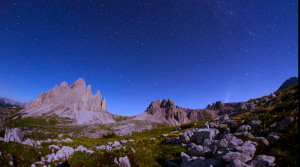
北斗七星和新智彗星 C2020 F3
图注: 这段延时摄影记录了2020年7月拍摄的三帧画面中标志性的北斗七星的轨迹。影像在意大利的三个地点拍摄:拉瓦雷多三峰(Tre Cime di Lavaredo)奥隆佐迪卡多雷、里特山(Monte Rite)奇比亚纳迪卡多雷,以及拉佐牧场(Casera Razzo)维戈迪卡多雷。这场视觉奥德赛展示了北斗七星的迷人轨迹,并在夜空中绘制出天体画卷。它不仅描绘了这个著名星群的轨迹,还捕捉到2020年7月照亮天空的罕见新智彗星 C/2020 F3 这一非凡的天文事件,为我们的夜空增添了光彩。
来源: 乔尔贾·霍弗/国际天文学联合会教育办公室 (CC BY 4.0)
相关活动

Why Do We Have Day and Night?
astroEDU educational activity (links to astroEDU website) Description: Explore day and night of Earth.
License: CC-BY-4.0 知识共享许可协议 署名 4.0 国际 (CC BY 4.0) 图标
标签:
Tilt
年龄段:
6-8
, 8-10
, 10-12
受教育等级:
Primary
, 中学
学习领域:
建模
, 以模拟为主
, 结构化探究式学习
费用:
低成本
时间跨度:
1 小时 30 分钟
组别大小:
小组
技能:
提出问题
, 传达信息

Day and Night in the World
astroEDU educational activity (links to astroEDU website) Description: Compare diurnal and nocturnal animals and experiment with day and night.
License: CC-BY-4.0 知识共享许可协议 署名 4.0 国际 (CC BY 4.0) 图标
标签:
Life
, Model
, Animals
, Day and night
年龄段:
6-8
, 8-10
受教育等级:
Primary
学习领域:
互动讲座
, 建模
, 结构化探究式学习
费用:
低成本
时间跨度:
1 小时
组别大小:
小组
技能:
提出问题
, 构建解释
, 开发和使用模型
, 规划并开展调查
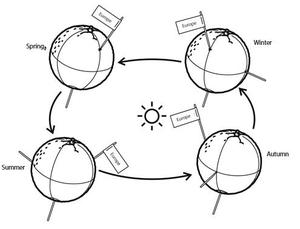
Seasons Around the World
astroEDU educational activity (links to astroEDU website) Description: Demonstrate the seasons on Earth using a model.
License: CC-BY-4.0 知识共享许可协议 署名 4.0 国际 (CC BY 4.0) 图标
标签:
Hands-on
, Model
年龄段:
6-8
, 8-10
, 10-12
受教育等级:
初中
, Primary
学习领域:
建模
, 结构化探究式学习
费用:
中等成本
时间跨度:
45 分钟
组别大小:
小组
技能:
分析和解读数据
, 提出问题
, 构建解释
, 开发和使用模型
, 规划并开展调查
Measure the Sun's Rotation Period
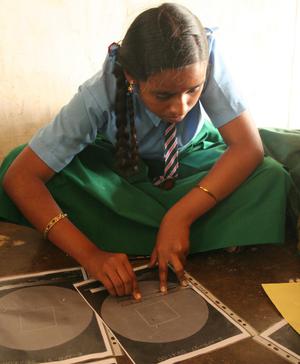
astroEDU educational activity (links to astroEDU website) Description: Find out the Sun’s rotation period, applying the simple equation of average speed to a real astronomical case.
License: CC-BY-4.0 知识共享许可协议 署名 4.0 国际 (CC BY 4.0) 图标
标签:
Hands-on
, History
, Experiment
, Galileo
, average speed
年龄段:
16-19
受教育等级:
中学
学习领域:
结构化探究式学习
费用:
低成本
时间跨度:
1 小时 30 分钟
组别大小:
小组
技能:
分析和解读数据
, 从证据中进行论证
, 规划并开展调查
, 使用数学和计算思维
Is the Sun rotating? Follow the sunspots!
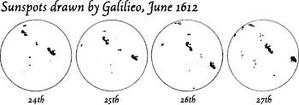
astroEDU educational activity (links to astroEDU website) Description: Like a "modern" Galileo, use true astronomical satellite observations to discover if the Sun (and other celestial objects) are rotating!
License: CC-BY-4.0 知识共享许可协议 署名 4.0 国际 (CC BY 4.0) 图标
标签:
Hands-on
, History
, Experiment
, Galileo
年龄段:
12-14
, 14-16
, 16-19
受教育等级:
初中
, 中学
学习领域:
结构化探究式学习
费用:
低成本
时间跨度:
1 小时
组别大小:
小组
技能:
分析和解读数据
, 规划并开展调查