Termine del Glossario rotazione
Descrizione La rotazione è il movimento di un oggetto attorno a una linea immaginaria, chiamata asse di rotazione. Mentre l'oggetto ruota, ogni sua parte mantiene esattamente la stessa distanza dall'asse di rotazione. In generale, le stelle (compreso il Sole), i pianeti, le lune o gli asteroidi ruotano intorno a un asse fisso. La Terra ruota intorno all'asse terrestre, che è la linea retta immaginaria che passa per il Polo Nord e il Polo Sud della Terra. La rotazione terrestre è responsabile della visione mutevole del cielo notturno che ogni osservatore sulla superficie terrestre vedrà, con nuove stelle che sorgono continuamente lungo l'orizzonte orientale e tramontano dietro l'orizzonte occidentale. Anche il fatto che il Sole sembri muoversi nel cielo durante il giorno, sorgendo a Est e tramontando a Ovest, è una conseguenza della rotazione terrestre.
Termini correlati
Vedi questo termine in altre lingue
status del termine e della definizione La definizione originale di questo termine in inglese é stata approvata da un ricercatore astronomo e da un docente La traduzione di questo termine e della sua definizione sono ancora in attesa di approvazione
Il Glossario Multilingue OAE é un progetto dell'Ufficio IAU per la didatticadell'astronomia (OAE) in collaborazione con l'ufficio IAU OAO per la DivulgazioneAstronomica (OAO). I termini e le definizioni sono stater scelte, scritte eriviste da un impegno collettivo da parte di OAE, i Centri e i Nodi OAE e iCoordinatori Nazionali per la Didattica dell'Astronomia e da altri volontari.Potete trovare una lista completa dei crediti, Tutti i termini del glossarioE le definizioni sono pubblicate su Creative Commons CC BY-4.0 licenza e dovrebbero essere accreditate ad IAU OAE.
Se noti un errore di fatto o di traduzione in questo termine del glossario, per favore contattaci.
File multimediali correlati
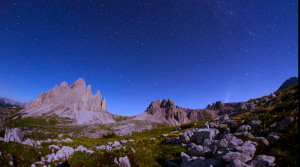
Orsa Maggiore e Cometa Neowise C2020 F3
Didascalia: Menzione d'onore al Concorso Astrofotografico IAU OAE 2023, categoria Time-lapse di rotazione dell'Orsa Maggiore o della Croce del Sud: Orsa Maggiore e Cometa Neowise C2020 F3, di Giorgia Hofer.
Questo time-lapse documenta la traiettoria dell'iconico Grande Carro in tre fotogrammi scattati nel luglio 2020, guadagnandosi una menzione d'onore nella categoria Time-lapses of rotation of Big Dipper or Southern Cross. Catturata da tre località italiane, Tre Cime di Lavaredo Auronzo di Cadore, Monte Rite, Cibiana di Cadore, e Casera Razzo, Vigo di Cadore, questa odissea visiva mostra l'affascinante viaggio dell'Orsa Maggiore con l'aggiunta di scie di stelle che dipingono una tela celeste. Oltre a tracciare il percorso di questo rinomato asterismo, l'opera presenta anche la rara apparizione della cometa Neowise C/2020 F3, un evento straordinario che ha solcato i nostri cieli nel luglio 2020.
Crediti: Giorgia Hofer/IAU OAE (CC BY 4.0)
License: CC-BY-4.0 Creative Commons Attribuzione 4.0 Internazionale (CC BY 4.0) icone
Attività correlate
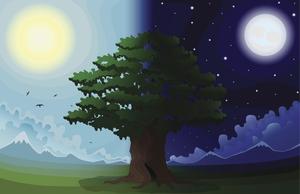
Why Do We Have Day and Night?
astroEDU educational activity (links to astroEDU website) Description: Explore day and night of Earth.
License: CC-BY-4.0 Creative Commons Attribuzione 4.0 Internazionale (CC BY 4.0) icone
Etichette:
Tilt
Fasce d'età
6-8
, 8-10
, 10-12
Livello di istruzione
Primary
, Secondary
Aree di apprendimento
Modelling
, Simulation focussed
, Structured-inquiry learning
Costi:
Low Cost
Durata:
1 hour 30 mins
Dimensione del Gruppo:
Group
Abilità:
Asking questions
, Communicating information
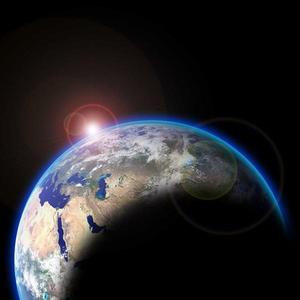
Day and Night in the World
astroEDU educational activity (links to astroEDU website) Description: Compare diurnal and nocturnal animals and experiment with day and night.
License: CC-BY-4.0 Creative Commons Attribuzione 4.0 Internazionale (CC BY 4.0) icone
Etichette:
Life
, Model
, Animals
, Day and night
Fasce d'età
6-8
, 8-10
Livello di istruzione
Primary
Aree di apprendimento
Interactive Lecture
, Modelling
, Structured-inquiry learning
Costi:
Low Cost
Durata:
1 hour
Dimensione del Gruppo:
Group
Abilità:
Asking questions
, Constructing explanations
, Developing and using models
, Planning and carrying out investigations
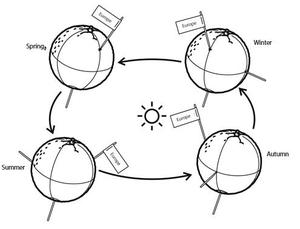
Seasons Around the World
astroEDU educational activity (links to astroEDU website) Description: Demonstrate the seasons on Earth using a model.
License: CC-BY-4.0 Creative Commons Attribuzione 4.0 Internazionale (CC BY 4.0) icone
Etichette:
Hands-on
, Model
Fasce d'età
6-8
, 8-10
, 10-12
Livello di istruzione
Middle School
, Primary
Aree di apprendimento
Modelling
, Structured-inquiry learning
Costi:
Medium Cost
Durata:
45 mins
Dimensione del Gruppo:
Group
Abilità:
Analysing and interpreting data
, Asking questions
, Constructing explanations
, Developing and using models
, Planning and carrying out investigations
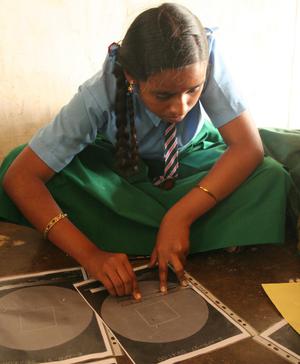
Measure the Sun's Rotation Period
astroEDU educational activity (links to astroEDU website) Description: Find out the Sun’s rotation period, applying the simple equation of average speed to a real astronomical case.
License: CC-BY-4.0 Creative Commons Attribuzione 4.0 Internazionale (CC BY 4.0) icone
Etichette:
Hands-on
, History
, Experiment
, Galileo
, average speed
Fasce d'età
16-19
Livello di istruzione
Secondary
Aree di apprendimento
Structured-inquiry learning
Costi:
Low Cost
Durata:
1 hour 30 mins
Dimensione del Gruppo:
Group
Abilità:
Analysing and interpreting data
, Engaging in argument from evidence
, Planning and carrying out investigations
, Using mathematics and computational thinking
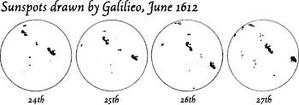
Is the Sun rotating? Follow the sunspots!
astroEDU educational activity (links to astroEDU website) Description: Like a "modern" Galileo, use true astronomical satellite observations to discover if the Sun (and other celestial objects) are rotating!
License: CC-BY-4.0 Creative Commons Attribuzione 4.0 Internazionale (CC BY 4.0) icone
Etichette:
Hands-on
, History
, Experiment
, Galileo
Fasce d'età
12-14
, 14-16
, 16-19
Livello di istruzione
Middle School
, Secondary
Aree di apprendimento
Structured-inquiry learning
Costi:
Low Cost
Durata:
1 hour
Dimensione del Gruppo:
Group
Abilità:
Analysing and interpreting data
, Planning and carrying out investigations