Termo do glossário: Relógio de sol
Descrição: A posição do Sol no céu há muito tem sido usada para definir o tempo, com o meio-dia local correspondendo ao ponto de maior altura do Sol acima do horizonte e o dia definido, em sentido estrito, como o período entre o nascer e o pôr do sol e, em sentido mais amplo, como o intervalo de tempo entre um meio-dia local e o seguinte. Um relógio de sol é um dispositivo que projeta a direção do Sol em uma superfície com marcações, geralmente rastreando a sombra de um ponteiro alongado conhecido como “gnômon”. Quando essa sombra aponta para a marcação designada “12”, por exemplo, pode-se ler a hora como 12 horas. Relógios de sol simples mostram apenas a hora solar aparente, que está diretamente ligada à posição do Sol no céu. Versões mais elaboradas possuem recursos que permitem a determinação da hora solar média.
Termos relacionados:
Ver este termo em outros idiomas
Status do termo e da definição: A definição original deste termo em inglês foi aprovada por um astrônomo(a) pesquisador(a) e um(a) professor(a) A tradução deste termo e de sua definição ainda aguarda aprovação
O Glossário Multilíngue da OAE é um projeto do Escritório da IAU de Astronomia para a Educação (OAE) em colaboração com o Escritório da IAU para Divulgação da Astronomia (OAO). Os termos e definições foram selecionados, escritos e revisados por meio de um esforço coletivo da OAE, dos Centros e Nós da OAE, dos Coordenadores Nacionais de Educação em Astronomia (NAECs) da OAE e de outros voluntários. Você pode encontrar uma lista completa dos créditos aqui. Todos os termos do glossário e suas definições são disponibilizados sob uma licença Creative Commons CC BY-4.0 e devem ser creditados à "IAU OAE".
Se você notar algum erro factual ou de tradução neste termo do glossário ou em sua definição, por favor entre em contato.
Em outros idiomas
- Árabe: الساعة الشمسية
- Alemão: Sonnenuhr
- Inglês: Sundial
- Espanhol: Reloj de sol
- Francês: Cadran solaire
- Italiano: Meridiana
- Coreano: 해시계
- Albanesa: Orë diellore
- Chinês Simplificado: 日晷
- Chinês Tradicional: 日晷
Atividades relacionadas
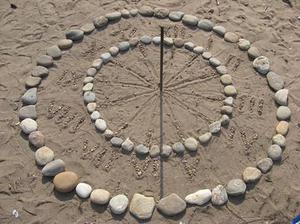
Making a Sundial
astroEDU educational activity (links to astroEDU website) Description: Build a sundial and discover how time can be measured.
License: CC-BY-4.0 Creative Commons Attribution 4.0 International (CC BY 4.0) ícones
Tags:
Hands-on
, Measurement
, Measure
, History
, Clocks
Faixas etárias:
6-8
, 8-10
, 10-12
Nível de ensino:
Ensino fundamental
, Básico
Áreas de aprendizagem:
Modelagem
, Baseado em observação
, Aprendizagem por investigação estruturada
Custos:
Custo médio
Duração:
1 hour
Tamanho do grupo:
Grupo
Habilidades:
Analisar e interpretar dados
, Fazer perguntas
, Comunicar informações
, Desenvolver e usar modelos
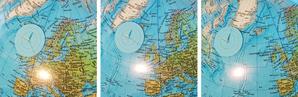
Navigate like a Viking – Use the Sun, not your phone!
astroEDU educational activity (links to astroEDU website) Description: Learn how the Vikings used the sky to navigate at sea with a hands-on activity!
License: CC-BY-4.0 Creative Commons Attribution 4.0 International (CC BY 4.0) ícones
Tags:
History
, Geography
, Maps
, Coordinates
, Celestial navigation
Faixas etárias:
12-14
, 14-16
Nível de ensino:
Ensino fundamental
Áreas de aprendizagem:
Grupos de discussão
, Modelagem
, Aprendizagem por investigação estruturada
Custos:
Custo médio
Duração:
1 hour 30 mins
Tamanho do grupo:
Grupo
Habilidades:
Analisar e interpretar dados
, Fazer perguntas
, Comunicar informações
, Desenvolver e usar modelos
, Planejar e realizar pesquisas
, Usar matemática e pensamento computacional