Termine del Glossario Fase lunare
Descrizione La forma mutevole della parte visibile della Luna illuminata dal Sole è conosciuta come fase lunare. Metà della Luna è sempre illuminata dal Sole, tranne durante le eclissi lunari. Sulla Terra vediamo diverse parti della Luna illuminate mentre si muove nella sua orbita intorno a noi. Il mese lunare inizia e finisce nella stessa fase. Ad esempio, se partiamo da una luna nuova, a causa della rivoluzione della Luna intorno alla Terra (che dura circa un mese, 29,5 giorni) la dimensione della parte illuminata della Luna aumenta gradualmente (fase crescente) diventando una mezzaluna. La mezza luna si verifica a 90 gradi dal punto di partenza. La parte illuminata della Luna continua ad aumentare, diventando gibbosa (di forma convessa o rigonfia). La luna piena si verifica a 180 gradi. Dopo questo punto, la forma inizia gradualmente a ridursi (fase calante), dando luogo alla luna gibbosa, alla fase di mezza luna a 270 gradi dall'inizio, alla luna crescente e alla luna nuova a 360 gradi. Anche se la Luna mostra una mezza fase a 90 e 270 gradi, i lati completamente opposti sono illuminati.
Termini correlati
Vedi questo termine in altre lingue
status del termine e della definizione La definizione originale di questo termine in inglese é stata approvata da un ricercatore astronomo e da un docente La traduzione di questo termine e della sua definizione sono ancora in attesa di approvazione
Il Glossario Multilingue OAE é un progetto dell'Ufficio IAU per la didatticadell'astronomia (OAE) in collaborazione con l'ufficio IAU OAO per la DivulgazioneAstronomica (OAO). I termini e le definizioni sono stater scelte, scritte eriviste da un impegno collettivo da parte di OAE, i Centri e i Nodi OAE e iCoordinatori Nazionali per la Didattica dell'Astronomia e da altri volontari.Potete trovare una lista completa dei crediti, Tutti i termini del glossarioE le definizioni sono pubblicate su Creative Commons CC BY-4.0 licenza e dovrebbero essere accreditate ad IAU OAE.
Se noti un errore di fatto o di traduzione in questo termine del glossario, per favore contattaci.
In Altre Lingue
- Arabo: الطور القمري
- Tedesco: Mondphase
- Inglese: Lunar Phase
- Spagnolo: Fase lunar
- Francese: Phase lunaire
- Giapponese: 月の位相 (external link)
- Marathi: चंद्राच्या कला
- Brasiliano Portoghese: Fase lunar
- Cinese semplificato: 月相
- Cinese tradizionale: 月相
File multimediali correlati
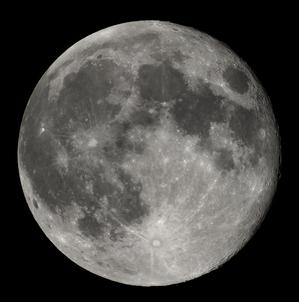
Luna piena
Didascalia: L'immagine mostra la Luna quasi piena osservata con un piccolo telescopio e una fotocamera DSLR.
Crediti: Luc Viatour
link ai crediti
License: CC-BY-SA-3.0 Creative Commons Attribuzione - Condividi allo stesso modo 3.0 Unported icone

Luna piena
Didascalia: La luna piena ripresa dall'emisfero meridionale (Nuova Zelanda). Durante questa fase la metà illuminata della luna è completamente visibile dalla Terra.
Crediti: Dave Young / dcysurfer
link ai crediti
License: CC-BY-2.0 Creative Commons Attribuzione 2.0 Generico icone

Primo quarto di luna
Didascalia: Il primo quarto di luna fotografato dalla Nuova Zelanda. Poiché è visibile la metà illuminata della luna, questa fase è nota come mezza luna.
Crediti: Dave Young / dcysurfer
link ai crediti
License: CC-BY-2.0 Creative Commons Attribuzione 2.0 Generico icone

Primo quarto di luna
Didascalia: Il primo quarto di luna fotografato dall'emisfero settentrionale (USA). In questa fase è visibile la metà illuminata della luna. Questa fase è popolarmente conosciuta come mezza luna.
Crediti: Stephen Rahn
link ai crediti
License: CC0 CC0 1.0 Universal (CC0 1.0) Donazione al Pubblico Dominio icone

Ultimo quarto di luna
Didascalia: Ecco l'ultimo quarto di luna fotografato dall'emisfero settentrionale (USA). Durante questa fase è visibile la metà illuminata della luna. Questa fase è popolarmente conosciuta come mezza luna.
Crediti: Stephen Rahn
link ai crediti
License: CC0 CC0 1.0 Universal (CC0 1.0) Donazione al Pubblico Dominio icone
Diagrami correlati
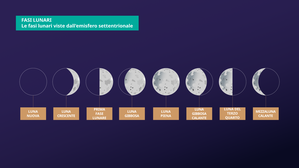
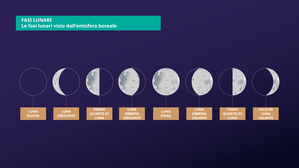
Fasi lunari nell'emisfero settentrionale
Didascalia: Le fasi lunari viste dall'emisfero settentrionale. In questa immagine il nord è in alto e l'est a sinistra. La Luna orbita attorno alla Terra ogni 29,5 giorni. È in rotazione sincrona con la Terra, il che significa che il suo periodo di rotazione è uguale al suo periodo orbitale e che lo stesso lato della Luna è sempre rivolto verso la Terra. In un dato momento, metà della Luna è illuminata dal Sole e metà è in ombra. Nel corso dell'orbita della Luna attorno alla Terra, ogni parte della Luna è illuminata per metà dell'orbita ed è in ombra per l'altra metà.
Quando la Luna si trova tra la Terra e il Sole, la sua metà illuminata è rivolta lontano dalla Terra e noi vediamo solo la metà che è in ombra. Questa fase lunare è nota come luna nuova. Man mano che la Luna si muove nella sua orbita, una piccola ma crescente falce della metà illuminata della Luna comincia a essere visibile dalla Terra. Questa falce illuminata appare sul lato occidentale della faccia lunare se vista dalla Terra. Questa fase è nota come luna crescente. A un quarto del percorso dell'orbita lunare attorno alla Terra, la Luna appare a 90° di distanza dal Sole e metà della sua parte illuminata è rivolta verso la Terra. Questa fase è nota come primo quarto di luna. Man mano che l'orbita prosegue, più della metà della Luna visibile dalla Terra è ora illuminata, con una falce scura. Questa fase è nota come luna gibbosa crescente. Una volta raggiunta la metà dell'orbita lunare attorno alla Terra, la Luna si trova ora sul lato opposto della Terra rispetto al Sole e vediamo tutta la metà illuminata della Luna. Poiché l'intero lato della Luna rivolto verso la Terra è ora illuminato, questa fase è denominata luna piena.
Per la restante metà dell'orbita lunare, la metà della Luna rivolta verso la Terra inizia a spostarsi nell'ombra. Di conseguenza, la porzione illuminata della Luna che vediamo dalla Terra inizia a ridursi o a calare. Il bordo occidentale della faccia della Luna, se osservato dalla Terra, inizia ad apparire scuro e questo fenomeno si accentua nelle fasi successive. Le fasi si ripetono in ordine inverso: gibbosa calante, terzo quarto, falce calante e infine di nuovo luna nuova.
Si noti che le caratteristiche della superficie lunare sono illustrative e non rappresentano accuratamente la vera superficie della Luna.
Crediti: Aneta Margraf/IAU OAE
License: CC-BY-4.0 Creative Commons Attribuzione 4.0 Internazionale (CC BY 4.0) icone
Fasi lunari nell'emisfero australe
Didascalia: Le fasi lunari viste dall'emisfero australe. In questa immagine il nord è in alto e l'ovest a sinistra. La Luna orbita attorno alla Terra ogni 29,5 giorni. È in rotazione sincrona con la Terra, il che significa che il suo periodo di rotazione è uguale al suo periodo orbitale e che lo stesso lato della Luna è sempre rivolto verso la Terra. In qualsiasi momento, metà della Luna è illuminata dal Sole e metà è in ombra. Nel corso dell'orbita della Luna attorno alla Terra, ogni parte della Luna è illuminata per metà dell'orbita ed è in ombra per l'altra metà.
Quando la Luna si trova tra la Terra e il Sole, la sua metà illuminata è rivolta lontano dalla Terra e noi vediamo solo la metà che è in ombra. Questa fase lunare è nota come luna nuova. Man mano che la Luna si muove nella sua orbita, una piccola ma crescente falce della metà illuminata della Luna comincia a essere visibile dalla Terra. Questa falce illuminata appare sul lato occidentale della faccia lunare se vista dalla Terra. Questa fase è nota come luna crescente. A un quarto del percorso dell'orbita lunare attorno alla Terra, la Luna appare a 90° di distanza dal Sole e metà della sua parte illuminata è rivolta verso la Terra. Questa fase è nota come primo quarto di luna. Man mano che l'orbita prosegue, più della metà della Luna visibile dalla Terra è ora illuminata, con una falce scura. Questa fase è nota come luna gibbosa crescente. Una volta raggiunta la metà dell'orbita lunare attorno alla Terra, la Luna si trova ora sul lato opposto della Terra rispetto al Sole e vediamo tutta la metà illuminata della Luna. Poiché l'intero lato della Luna rivolto verso la Terra è ora illuminato, questa fase è denominata luna piena.
Per la restante metà dell'orbita lunare, la metà della Luna rivolta verso la Terra inizia a spostarsi nell'ombra. Di conseguenza, la porzione illuminata della Luna che vediamo dalla Terra inizia a ridursi o a calare. Il bordo occidentale della faccia della Luna, se osservato dalla Terra, inizia ad apparire scuro e questo fenomeno si accentua nelle fasi successive. Le fasi si ripetono in ordine inverso: gibbosa calante, terzo quarto, falce calante e infine di nuovo luna nuova.
Si noti che le caratteristiche della superficie lunare sono illustrative e non rappresentano accuratamente la vera superficie della Luna.
Crediti: Aneta Margraf/IAU OAE
License: CC-BY-4.0 Creative Commons Attribuzione 4.0 Internazionale (CC BY 4.0) icone
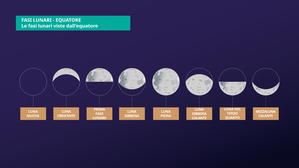
Equatore delle fasi lunari
Didascalia: Le fasi lunari viste dall'equatore. In questa immagine l'ovest è in alto, il nord a sinistra e l'est in basso. La Luna orbita attorno alla Terra ogni 29,5 giorni. È in rotazione sincrona con la Terra, il che significa che il suo periodo di rotazione è uguale al suo periodo orbitale e che lo stesso lato della Luna è sempre rivolto verso la Terra. In un dato momento, metà della Luna è illuminata dal Sole e metà è in ombra. Nel corso dell'orbita lunare attorno alla Terra, ogni parte della Luna è illuminata per metà dell'orbita ed è in ombra per l'altra metà.
Quando la Luna si trova tra la Terra e il Sole, la sua metà illuminata è rivolta lontano dalla Terra e noi vediamo solo la metà che è in ombra. Questa fase lunare è nota come luna nuova. Man mano che la Luna si muove nella sua orbita, una piccola ma crescente falce della metà illuminata della Luna comincia a essere visibile dalla Terra. Questa falce illuminata appare sul lato occidentale della faccia lunare se vista dalla Terra. Questa fase è nota come luna crescente. A un quarto del percorso dell'orbita lunare attorno alla Terra, la Luna appare a 90° di distanza dal Sole e metà della sua parte illuminata è rivolta verso la Terra. Questa fase è nota come primo quarto di luna. Man mano che l'orbita prosegue, più della metà della Luna visibile dalla Terra è ora illuminata, con una falce scura. Questa fase è nota come luna gibbosa crescente. Una volta raggiunta la metà dell'orbita lunare attorno alla Terra, la Luna si trova ora sul lato opposto della Terra rispetto al Sole e vediamo tutta la metà illuminata della Luna. Poiché l'intero lato della Luna rivolto verso la Terra è ora illuminato, questa fase è denominata luna piena.
Per la restante metà dell'orbita lunare, la metà della Luna rivolta verso la Terra inizia a spostarsi nell'ombra. Di conseguenza, la porzione illuminata della Luna che vediamo dalla Terra inizia a ridursi o a calare. Il bordo occidentale della faccia della Luna, se osservato dalla Terra, inizia ad apparire scuro e questo fenomeno si accentua nelle fasi successive. Le fasi si ripetono in ordine inverso: gibbosa calante, terzo quarto, falce calante e infine di nuovo luna nuova.
La prospettiva di questo diagramma è con l'ovest in alto, il nord a sinistra e l'est in basso. Quando si osserva la Luna guardando verso ovest, ad esempio osservando la falce crescente subito dopo il tramonto, la vista della Luna risulterebbe ruotata di 180°.
Si noti che le caratteristiche della superficie lunare sono illustrative e non rappresentano accuratamente la vera superficie della Luna.
Crediti: Aneta Margraf/IAU OAE
License: CC-BY-4.0 Creative Commons Attribuzione 4.0 Internazionale (CC BY 4.0) icone
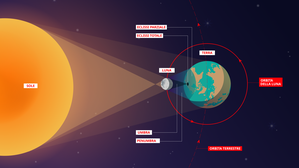
Eclissi totale di Sole
Didascalia: Questo diagramma, non in scala, mostra cosa accade durante un’eclissi solare totale. La Luna orbita attorno alla Terra, ma la sua orbita è leggermente inclinata rispetto a quella terrestre attorno al Sole. Durante la fase di luna nuova, la Luna si trova tra la Terra e il Sole, ma a causa dell’inclinazione della sua orbita attorno alla Terra, in questo momento la Luna si trova normalmente sopra o sotto il Sole. Tuttavia, due volte all'anno l'orbita della Luna si allinea in modo tale che la Luna possa trovarsi in linea retta tra la Terra e il Sole. Durante questo periodo può verificarsi un'eclissi solare. La Luna è circa 400 volte più piccola del Sole, ma è 400 volte più vicina alla Terra rispetto al Sole. Di conseguenza, il Sole e la Luna hanno approssimativamente la stessa dimensione angolare se osservati dalla Terra. Ciò significa che è possibile che la Luna copra completamente il Sole se osservata dalla Terra. Questo fenomeno è noto come eclissi solare totale.
Qui vediamo uno schema di tale eclissi. La Luna proietta un'ombra sulla Terra - nota come "umbra". Si tratta di un'ombra approssimativamente circolare di alcune centinaia di chilometri di diametro. Qualsiasi regione all'interno dell'umbra vedrà la Luna coprire completamente il Sole e quindi assisterà a un'eclissi solare totale. Al di fuori dell'umbra ci sono regioni in cui la Luna coprirà parte del Sole. Questa ombra parziale è nota come penumbra. Le regioni nella penumbra vivranno un'eclissi solare parziale.
Un'eclissi è un evento dinamico in cui la Luna si muove nella sua orbita e la Terra ruota. Di conseguenza, l'umbra e la penumbra si spostano sulla superficie terrestre. Il percorso che l'ombra compie sulla Terra è noto come percorso di totalità. Consideriamo una regione particolare che si trova nel percorso di totalità. Tranne in rari casi in cui un'eclissi inizia all'alba, una regione che vive la totalità vedrà prima la Luna coprire parte del Sole e spostarsi gradualmente sul Sole fino a coprirlo totalmente. Dall'esterno della Terra ciò apparirebbe come la penumbra che si sposta su questa particolare regione seguita dall'umbra che si sposta su questa regione. Una volta che la Luna si sposta in modo da non coprire più completamente il Sole, la totalità termina e l'umbra si allontana da questa particolare regione. La Luna continuerà a scoprire il Sole fino a quando (a meno che il Sole non tramonti prima della fine dell'eclissi) il Sole non sarà completamente scoperto. Dall'esterno della Terra ciò apparirebbe come l'umbra che si allontana dalla nostra particolare regione e il bordo della penumbra che si avvicina e alla fine passa sopra la regione.
Al di fuori del percorso o della totalità c'è una regione molto più ampia che si troverà nella penumbra ma non sarà interessata dall'umbra. Tali regioni non vedranno un'eclissi solare totale durante questo evento, ma solo un'eclissi solare parziale.
Crediti: Aneta Margraf/IAU OAE
License: CC-BY-4.0 Creative Commons Attribuzione 4.0 Internazionale (CC BY 4.0) icone