About
On October 13, 2021, actor William Shatner -- Captain Kirk of the Enterprise -- had his first real orbital flight experience. His first words after exiting the capsule? ""Everybody in the world needs to do this. Everybody in the world needs to see this."" Once again, we went into space and came back with the awareness that this world is fragile and we should take care of it, together. To solve the problems, together. Apart from being the cradle of humankind, Earth is also the third planet of our Solar system. This allows us to apply the astronomer point of view to it, and this point of view is the leading topic of the ""Earth as Planet"" review. This point of view has at least two different declinations, which are both explored in the material: the source of the awareness that we are all ""under the same sky"", and the consciousness that the physical laws that apply here are the same as elsewhere, and therefore we can learn about our world by comparing it to the others planets. The resources also include material to advance the public understanding of global warming, with a positive approach, leveraging on the inspirational role of scientists.
Mini-review document
This review was the topic of a session at the 3rd Shaw-IAU Workshop. The proceedings from this session have been adapted into a mini-review (PDF file 3.35 MB) f .
Conference presentation topics and additional resources
Talks
- Astronomers' Role in Climate Education
- Comparing the Climates of Earth, Mars, and Venus -- Educational Takeaways
- The Overview Effect, Astronomy, and Spaceship Earth
Poster Presentations
Images
-
 Northern Lights - Teepees
Credit: Oanh Vuong/IAU OAE (CC BY 4.0)
License: Creative Commons Attribution 4.0 International (CC BY 4.0) icons
-
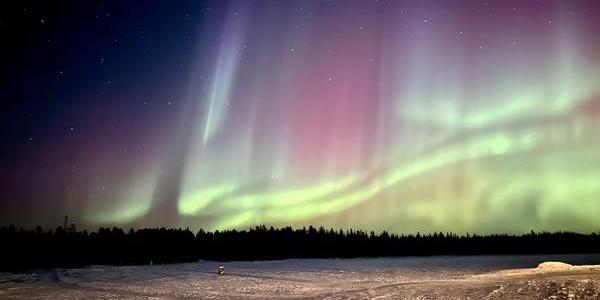 Northern Lights Color
Credit: Jason Johnson/IAU OAE (CC BY 4.0)
License: Creative Commons Attribution 4.0 International (CC BY 4.0) icons
-
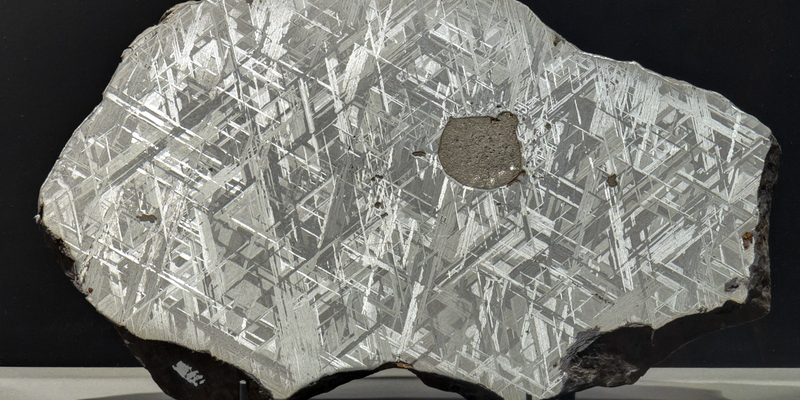 Iron Meteorite
Credit: Chuck Sutherland
License: Public Domain icons
-
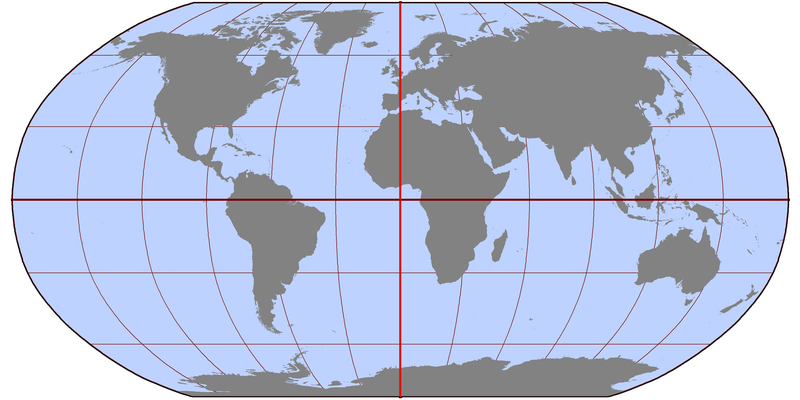 The Prime Meridian
Credit: Wikicommons user Kmf164
License: Public Domain icons
-
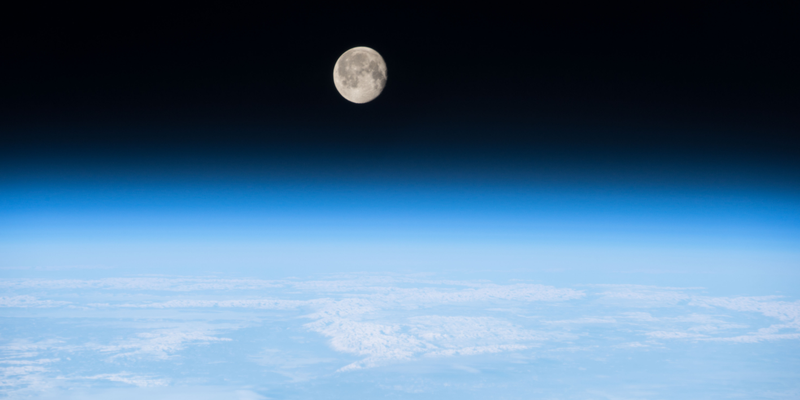 Moon and Earth's thin atmosphere
Credit: Earth Science and Remote Sensing Unit, NASA Johnson Space Center
License: Public Domain icons
-
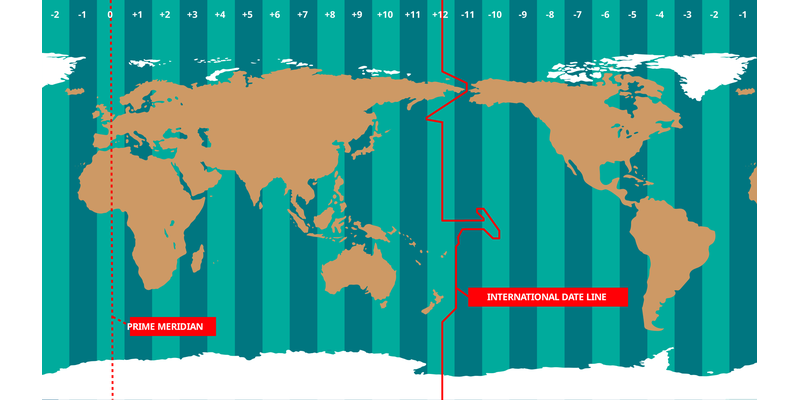
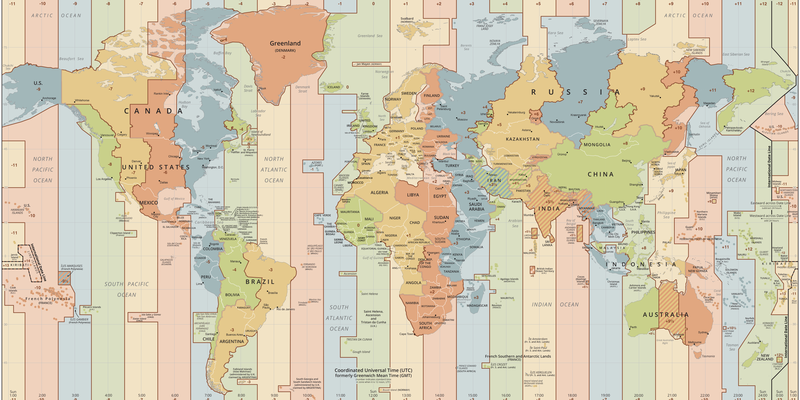 Map of de-facto time zones on Earth
Credit: Wikimedia Users UnaitxuGV, Heitordp and others based on a map created by the U.S. Central Intelligence Agency (CIA)
License: Public Domain icons
-
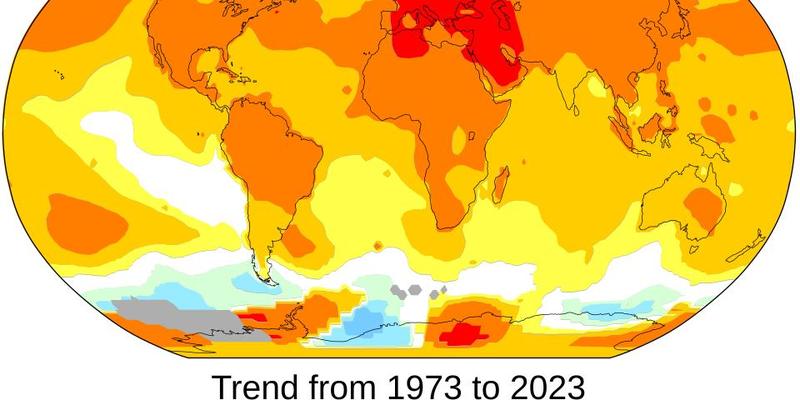 Global Temperature Trends: Past 50 Years
Credit: NASA’s Scientific Visualization Studio, Key and Title by Eric Fisk
License: Creative Commons Attribution 4.0 International (CC BY 4.0) icons
-
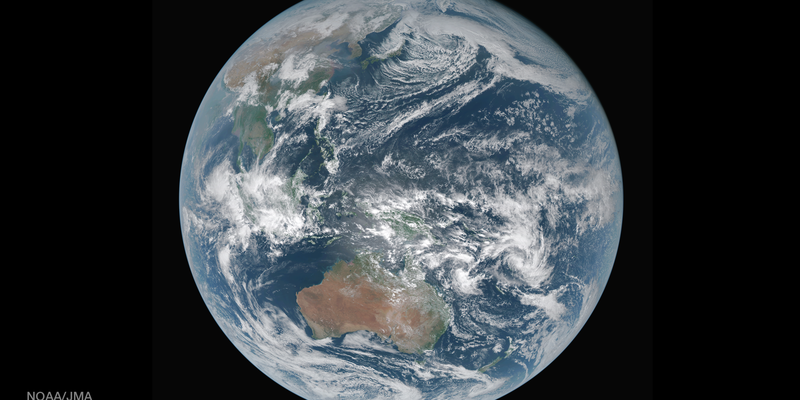 Full disk view of the Earth taken in 2016 by the geostationary satellite Himawari 8
Credit: SSEC/CIMSS, University of Wisconsin–Madison
License: Public Domain icons
-
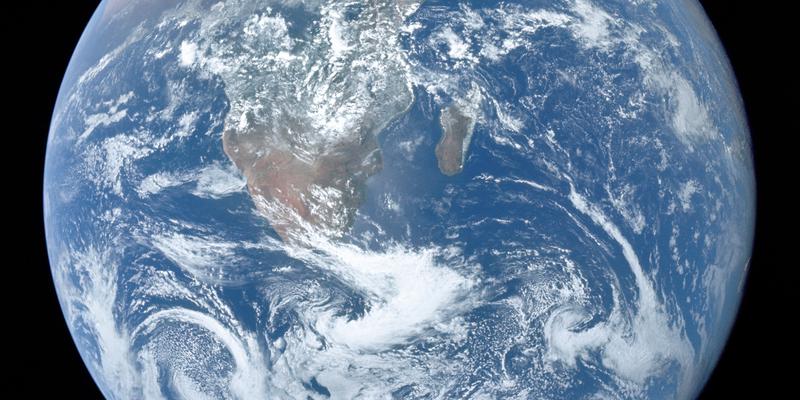 The Earth pictured from the Apollo 17 spacecraft
Credit: NASA/Apollo 17 crew/Project Apollo Archive
License: Public Domain icons
Images
-
Northern Lights - Teepees
Credit: Oanh Vuong/IAU OAE (CC BY 4.0) License: Creative Commons Attribution 4.0 International (CC BY 4.0) icons -
Northern Lights Color
Credit: Jason Johnson/IAU OAE (CC BY 4.0) License: Creative Commons Attribution 4.0 International (CC BY 4.0) icons -
Iron Meteorite
Credit: Chuck Sutherland License: Public Domain icons -
The Prime Meridian
Credit: Wikicommons user Kmf164 License: Public Domain icons -
Moon and Earth's thin atmosphere
Credit: Earth Science and Remote Sensing Unit, NASA Johnson Space Center License: Public Domain icons -
Map of de-facto time zones on Earth
Credit: Wikimedia Users UnaitxuGV, Heitordp and others based on a map created by the U.S. Central Intelligence Agency (CIA) License: Public Domain icons -
Global Temperature Trends: Past 50 Years
Credit: NASA’s Scientific Visualization Studio, Key and Title by Eric Fisk License: Creative Commons Attribution 4.0 International (CC BY 4.0) icons -
Full disk view of the Earth taken in 2016 by the geostationary satellite Himawari 8
Credit: SSEC/CIMSS, University of Wisconsin–Madison License: Public Domain icons -
The Earth pictured from the Apollo 17 spacecraft
Credit: NASA/Apollo 17 crew/Project Apollo Archive License: Public Domain icons
Selected Activities

astroEDU activity (links to astroEDU website)
Age ranges: 14-16 ,16-19
License: Creative Commons Attribution 4.0 International (CC BY 4.0) icons

astroEDU activity (links to astroEDU website)
Age ranges: 14-16 ,16-19
License: Creative Commons Attribution 4.0 International (CC BY 4.0) icons

astroEDU activity (links to astroEDU website)
Age ranges: 8-10 ,10-12 ,12-14
License: Creative Commons Attribution 4.0 International (CC BY 4.0) icons

astroEDU activity (links to astroEDU website)
Age ranges: 0-4 ,4-6
License: Creative Commons Attribution 4.0 International (CC BY 4.0) icons

astroEDU activity (links to astroEDU website)
Age ranges: 6-8 ,8-10
License: Creative Commons Attribution 4.0 International (CC BY 4.0) icons
astroEDU activity (links to astroEDU website)
Age ranges: 8-10 ,10-12
License: Creative Commons Attribution 4.0 International (CC BY 4.0) icons

astroEDU activity (links to astroEDU website)
Age ranges: 12-14 ,14-16
License: Creative Commons Attribution 4.0 International (CC BY 4.0) icons
astroEDU activity (links to astroEDU website)
Age ranges: 6-8 ,8-10 ,10-12
License: Creative Commons Attribution 4.0 International (CC BY 4.0) icons

astroEDU activity (links to astroEDU website)
Age ranges: 4-6 ,6-8 ,8-10
License: Creative Commons Attribution 4.0 International (CC BY 4.0) icons

astroEDU activity (links to astroEDU website)
Age ranges: 12-14 ,14-16
License: Creative Commons Attribution 4.0 International (CC BY 4.0) icons
Diagrams

Also available in black and white
License: Creative Commons Attribution 4.0 International (CC BY 4.0) icons
Also available in black and white
License: Creative Commons Attribution 4.0 International (CC BY 4.0) icons
Videos

The Big Dipper in the Polar Night
Credit: Stephanie Ziyi Ye/IAU OAE (CC BY 4.0)
License: Creative Commons Attribution 4.0 International (CC BY 4.0) icons

Space debris orbiting the Earth
Credit: NASA's Scientific Visualization Studio
License: Public Domain icons

2024 Total Solar Eclipse from Space
Credit: NASA/DSCOVR EPIC team/Michala Garrison and Wanmei Liang
License: Public Domain icons

A total solar eclipse over the La Silla Observatory, Chile
Credit: ESO/A. Santerne
License: Creative Commons Attribution 4.0 International (CC BY 4.0) icons