Glossary term: 남중
Description: 천문학에서 남중은 천체가 관측지점의 자오선을 통과하는 순간을 말합니다. 천체가 자오선을 통과할 때 그 천체의 고도는 최고점에 있거나 최저점에 있습니다.
관측자에게는 천구가 지구를 중심으로 자전하는 것처럼 보입니다. 그 결과, 천구상의 천체들은 하루 동안 원형의 경로를 따라 움직이게 됩니다. 대부분의 천체는 동쪽에서 떠서 고도가 계속 높아지다가 자오선을 통과한 뒤에는 고도가 계속 낮아지면서 서쪽에서 지게 됩니다. 그러나 천구의 극에 가까이 위치한 주극성들은 한 항성일(24시간이 좀 안 되는 시간) 동안에 뜨거나 지지 않고 완전한 원형의 경로가 관찰될 수 있는 천체들입니다. 어떤 경우이건 천체의 고도가 최고점에 도달하는 순간은 그 천체가 자오선을 통과할 때입니다. 이처럼 어느 천체가 가장 높은 고도에 도달하는 순간을 그천체의 상방정중이라고 합니다. 항성시로 12 시간 후에 이 천체가 가장 낮은 고도(보통은 지평선 아래)에 도달하는 순간은 그 천체의 하방정중이라고 합니다.
남중은 천체가 관측지점의 자오선을 통과하는 순간이므로 흔히 자오선통과라고 부르기도 합니다. 천구상에서의 시간각은 관측지점의 자오선을 기준으로 정의되므로, 상방정중은 0시의 시간각에서 일어나고 하방정중은 12시의 시간각에서 일어납니다.
Related Terms:
See this term in other languages
Term and definition status: The original definition of this term in English have been approved by a research astronomer and a teacher The translation of this term and its definition is still awaiting approval
The OAE Multilingual Glossary is a project of the IAU Office of Astronomy for Education (OAE) in collaboration with the IAU Office of Astronomy Outreach (OAO). The terms and definitions were chosen, written and reviewed by a collective effort from the OAE, the OAE Centers and Nodes, the OAE National Astronomy Education Coordinators (NAECs) and other volunteers. You can find a full list of credits here. All glossary terms and their definitions are released under a Creative Commons CC BY-4.0 license and should be credited to "IAU OAE".
If you notice a factual or translation error in this glossary term or definition then please get in touch.
In Other Languages
- 아랍어: الذروة
- 독일어: Kulmination
- 영어: Culmination
- 스페인어: Culminación
- 프랑스어: Culmination
- 이탈리아어: Culmine
- 브라질 포르투갈어: Culminação
- 중국어 간체: 中天
- 중국어 번체: 中天
Related Media
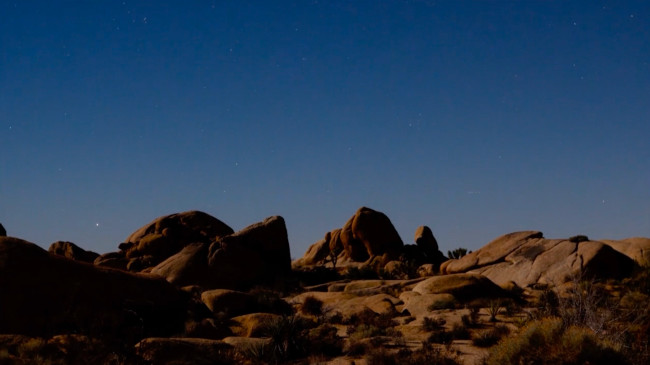
The Culmination of Canopus
Caption: Honourable mention in the 2022 IAU OAE Astrophotography Contest, category Time lapses of celestial patterns.
This time-lapse video was shot in January 2018 from the Joshua Tree National Park, USA, and follows the path of Canopus, the second-brightest star in the night sky, as it moves from left to right, almost touching the horizon. The landscape is illuminated by the Moon.
Canopus is associated with the rudder of the ancient Argo constellation, the Ship, nowadays split into the three modern constellations Vela, Puppis and Carina, the last of which contains Canopus.
Owing to its brightness, Canopus has caught the attention of several cultures around the world throughout history. For instance, the Navajo people of North America named the star as the Coyote, and say that the coyote took part in the creation of the Universe. The Kalapalo people of Brazil associated Canopus with a duck, with other bright stars making up the body parts of the animal. The appearance of Canopus in the sky indicates the coming of the rainy season.
Credit: Fabrizio Melandri/IAU OAE
License: CC-BY-4.0 Creative Commons 저작자표시 4.0 국제 (CC BY 4.0) icons