Glossar-Begriff: Auflösungsvermögen
Beschreibung: Das Auflösungsvermögen bezeichnet den kleinsten Abstand zwischen zwei nahen punktförmigen Objekten, die gerade noch als getrennt wahrgenommen werden können. Es kann in Form eines Winkels angegeben werden (Winkelauflösung). Das Auflösungsvermögen ist eine sehr wichtige Eigenschaft von Teleskopen: Teleskope mit höherem Auflösungsvermögen ermöglichen es uns, sehr nahe beieinander liegende Sterne visuell zu trennen und feinere Details in ausgedehnten Objekten wie Nebeln und Galaxien zu sehen. Zwei Sterne, deren Winkelabstand kleiner als das Auflösungsvermögen ist, erscheinen als ein einziges Objekt. Das Auflösungsvermögen eines Teleskops kann verbessert werden, indem man die Größe des lichtsammelnden Spiegels oder der Linse vergrößert. Sie hängt auch von der Wellenlänge ab und wird mit zunehmender Wellenlänge schlechter.
Ähnliche Begriffe:
Dieser Begriff in anderen Sprachen
Begriffs- und Definitionsstatus Die Originaldefinition dieses Begriffes auf Englisch wurden von einem forschenden Astronom und einer Lehrkraft bestätigt Die Übersetzung dieses Begriffs und seiner Definition warten auf Prüfung und Bestätigung
The OAE Multilingual Glossary is a project of the IAU Office of Astronomy for Education (OAE) in collaboration with the IAU Office of Astronomy Outreach (OAO). The terms and definitions were chosen, written and reviewed by a collective effort from the OAE, the OAE Centers and Nodes, the OAE National Astronomy Education Coordinators (NAECs) and other volunteers. You can find a full list of credits here. All glossary terms and their definitions are released under a Creative Commons CC BY-4.0 license and should be credited to "IAU OAE".
Wenn dir ein inhaltlicher oder Übersetzungsfehler in diesem Glossarbegriff oder dieser Definition auffallen, bitte kontaktiere uns.
Auf anderen Sprachen
- Arabisch: الدفة الزاوية
- Bengali: কৌণিক বিভেদন
- Englisch: Angular Resolution
- Spanisch: Resolución Angular
- Französisch: Résolution angulaire
- Italienisch: Risoluzione angolare
- Japanisch: 角分解能 (externer Link)
- Nepali: कोणीय विभेदन
- Brasilianisches Portugiesisch: Resolução angular
- Vereinfachtes Chinesisch: 角分辨率
- Traditionelles Chinesisch: 角分辨率
Ähnliche Medien

Entdeckung eines Doppelsystems aus Braunen Zwergen
Unterschrift: Dieses Bild zeigt ein nahes System aus Braunen Zwergen – Objekte, deren Masse zwischen der von Planeten und Sternen liegt und in deren Kernen keine langfristige Kernfusion stattfindet. Dieses System (bekannt als Luhman 16) befindet sich etwa 6,5 Lichtjahre von der Erde entfernt und ist nach dem Alpha-Centauri-System und Barnards Stern das drittnächstgelegene System zum Sonnensystem. Es wurde zunächst als eine scheinbar einzelne, schwache Infrarotstrahlungsquelle beobachtet. Braune Zwerge sind aufgrund ihrer geringen Helligkeit oft schwer zu untersuchen, insbesondere im sichtbaren Licht. Im Infrarotlicht leuchten sie jedoch aufgrund ihrer niedrigeren effektiven Temperaturen heller.
Der Vergleich verdeutlicht die Bedeutung der Auflösung einer Aufnahme. Das mittlere Bild, aufgenommen vom Wide-field Infrared Survey Explorer (WISE) der NASA, zeigt das System aufgrund seiner geringeren Auflösung (WISE hat eine Auflösung von etwa 6 Bogensekunden) als ein einziges verschwommenes Objekt. Die hervorgehobene, vergrößerte Ansicht vom Gemini-South-Observatorium in Chile zeigt, dass es sich bei dieser „einzigen“ Quelle tatsächlich um ein Doppelsternsystem aus zwei Braunen Zwergen handelt. Die verbesserte Winkelauflösung (etwa 0,6 Bogensekunden) ermöglicht es Astronomen, die beiden Objekte klar voneinander zu unterscheiden und verdeutlicht, wie Beobachtungen mit höherer Auflösung verborgene Strukturen im Universum aufdecken. Das Gemini-Teleskop befindet sich zwar auf der Erde und unterliegt daher den Unschärfeeffekten der Erdatmosphäre, verfügt jedoch über einen wesentlich größeren Spiegel als das WISE-Teleskop (8 m Durchmesser gegenüber 40 cm), wodurch es deutlich höhere Auflösungen erzielen kann.
Bild: NASA/JPL/Gemini-Observatorium/AURA/NSF
Quellenlink
License: PD Gemeinfrei Symbole
Ähnliche Aktivitäten
Das Projekt ALMA Mater
astroEDU educational activity (links to astroEDU website) Description: Im folgenden WIS-Beitrag soll klar werden, warum ALMA als Interferometer so wichtig ist und wie es als solches funktioniert. Den Ausgangspunkt bilden Betrachtungen zum Auflösungsvermögen eines Teleskops und zu dessen natürlicher Begrenztheit infolge der Beugung. Danach folgen grundlegende Betrachtungen zur Interferenz. Schließlich wollen wir das ALMA-Interferometer näher kennenlernen, indem wir eine erste Vorstellung davon gewinnen, wie Bilder sich aus Interferenzmustern zusammen-setzen. In bewährter Art und Weise sind die genannten Inhalte mit einer Vielzahl von Aktivitäten für Schüler verbunden.
Altersgruppen: 16-19 Bildungsniveau: Secundaria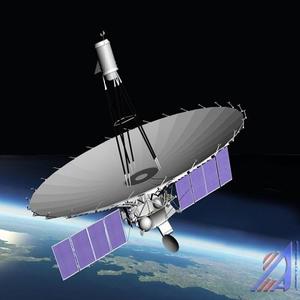
Viele Wege führen nach Rom
astroEDU educational activity (links to astroEDU website) Description: Als Ursache für das begrenzte Auflösungsvermögen optischer Instrumente wird in Schullehrbüchern in der Regel die Trennbarkeit der Beugungsscheibchen zweier Objektpunkte genannt. Der vorliegende Unterrichtsvorschlag möchte die Schülerinnen und Schüler (SuS) der Oberstufe mit zwei alternativen Begründungen/Herleitungen für das begrenzte Auflösungsvermögen bekannt machen. So werden zwar keine wirklich neuen physikalischen Inhalte, sehr wohl aber Neues gelernt.
Altersgruppen: 16-19 Bildungsniveau: Secundaria
Von der Beugung zur Abbildung - Was können Teleskope leisten?
astroEDU educational activity (links to astroEDU website) Description: Wichtige Begriffe, die die Teleskopleistung beschreiben, werden erörtert. Dem Auflösungsvermögen wird dabei besondere Bedeutung zu. Eine Aufgabensammlung ermöglicht dem Schüler, die zuvor eingeführten Begriffe und physikalischen Formalismen „mit Leben zu erfüllen“.
Altersgruppen: 16-19 Bildungsniveau: Secundaria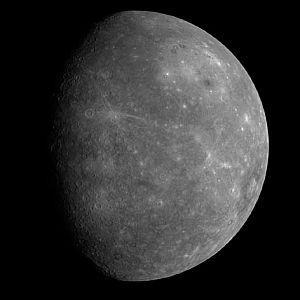
Fernerkundung und Kartografie im Sonnensystem
astroEDU educational activity (links to astroEDU website) Description: Wie kartiert eine Raumsonde einen fernen Planeten, und welche Schwierigkeiten sind dabei zu überwinden? Dieser Gruppenversuch ermöglicht es Schülern, diese Frage selbst zu beantworten.
Altersgruppen: 14-16 Bildungsniveau: Secundaria
Algol vom Mythos zur Wissenschaft
astroEDU educational activity (links to astroEDU website) Description: In einer Reihe von didaktischen Ideen rückt Algol unter ganz verschiedenen Aspekten ins Blickfeld. Das Zusammenspiel von Phantasie und Wissenschaft soll mehr Interesse generieren.
Altersgruppen: 16-19 Bildungsniveau: Secundaria