Talk - Teaching Astronomy Across Languages: Spatial Words, Gestures, And Misconceptions
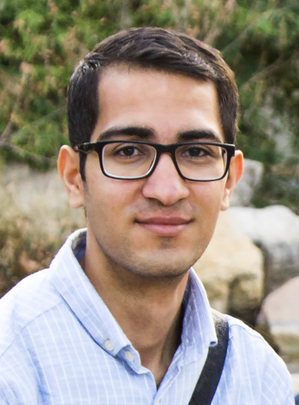
Saeed Jafari
UNESCO's International Decades of Indigenous Languages (IDIL 2022-2032)
Team Chair and Contact Person, NAEC Team - The Islamic Republic of Iran
Everyday words such as “up,” “down,” “rise,” and “fall” can quietly turn the sky into a flat, Earth-bound scene for primary/secondary students learning astronomy. This review examines how spatial language shapes explanations of gravity, horizons, Earth’s shape, seasons and sky motion with comparative examples from Persian, Spanish, Japanese and French. I organise the review around four teaching layers: spatial words, educator gestures, visual models and the observer’s frame of reference. Reviewed with 5 centers and 20 astronomy educators from different countries, the presentation offers practical recommendations for planetariums, educational observatories and schools: audit recurring spatial phrases, align gestures with models and adapt explanations across linguistic and cultural contexts.
About Saeed Jafari
Saeed Jafari is a science communicator and a community builder. He has completed his studies in linguistics and cognitive science. He has been working as External Relations Manager at the World Space Week Association and Ad-hoc Group Co-chair of International Decade of Indigenous Languages co-led by UNESCO. For more than ten years, Saeed has led astronomy communication, outreach and education for many organisations and institutions and currently researches public understanding of science in media, technology and society. He co-founded Under Iran Sky programme, an open online astronomy education platform in Iran, and also is the developer of several innovative projects that aim to involve the general public in active astronomy communication.