Término del glosario: Tiempo
Descripción: Todos tenemos una idea básica de lo que es el tiempo: una sucesión de acontecimientos, uno tras otro, desde el pasado, pasando por el presente, hasta el futuro. Sin embargo, el tiempo no es algo que se pueda ver, oír, oler, tocar o saborear. No obstante, sí se puede medir, y ese es el aspecto del tiempo que importa en astronomía y en física.
Medimos el tiempo comparando la duración de lo que está sucediendo con la duración medida en un reloj o, para períodos de tiempo más largos, en un calendario. Tradicionalmente, las mediciones de tiempo de este tipo se han basado en la rotación de la Tierra. El tiempo que tarda la Tierra en completar una rotación completa (según la posición del Sol) define la duración de un día. Las subdivisiones habituales —un día dividido en 24 horas, cada hora dividida en 60 minutos y cada minuto en 60 segundos— proporcionan unidades de tiempo adicionales.
Desde 1967, la definición del tiempo se basa, en cambio, en la duración de un segundo, medida por un reloj atómico de Cesio-133 («segundo SI»). Sobre esta base se definen varios sistemas de tiempo, entre los que destacan el Tiempo Universal Coordinado (UTC), que se utiliza en la medición oficial del tiempo en todo el mundo, y lo que se conoce como la fecha juliana y sus variaciones, un recuento continuo de días utilizado en astronomía.
La teoría de la relatividad especial de Einstein y su teoría de la relatividad general han demostrado que el tiempo que pasa en un reloj depende tanto del movimiento como de la influencia de la gravedad de dicho reloj. Estos efectos relativistas deben tenerse en cuenta en mediciones de tiempo de alta precisión, como las que utilizan los satélites del Sistema de Posicionamiento Global (GPS).
Términos relacionados:
Ver este término en otros idiomas
Estado del término y la definición: La definición original de este término en inglés ha sido aprobada por unastrónomo o astrónoma investigadora y un docente La traducción de este término y su definición aún están pendientes de aprobación
El Glosario multilingüe de la OAE es un proyecto de la Oficina de Astronomía para la Educación de la UAI (OAE) en colaboración con la Oficina de Divulgación de Astronomía de la UAI (OAO). Los términos y definiciones fueron seleccionados, redactados y revisados gracias al esfuerzo colectivo de la OAE, los Centros y Nodos de la OAE, los Coordinadores Nacionales de Educación Astronómica (NAECs) y otros voluntarios. Puedes encontrar una lista completa de créditos aquí. Todos los términos del glosario y sus definiciones se publican bajo la licencia Creative Commons CC BY-4.0 y deben atribuirse a la "IAU OAE".
Si detectas algún error de contenido o de traducción en este término del glosario o en ladefinición, ponte en contacto con nosotros.
Actividades relacionadas
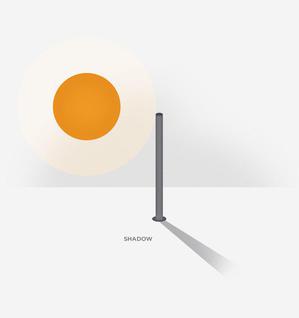
Sun’s Shadow
astroEDU educational activity (links to astroEDU website) Description: Why is the Sun's shadow so important?
License: CC-BY-4.0 Creative Commons Reconocimiento 4.0 Internacional (CC BY 4.0) íconos
Etiquetas:
Hands-on
, Shadows
Rango de edades:
6-8
, 8-10
, 10-12
, 12-14
, 14-16
Nivel educativo:
Educación no forma
, Educación secundaria
, Primaria
, Secondary
Áreas de aprendizaje:
Basado en la observación
, Aprendizaje basado en la investigación estructurada
Costos:
Coste medio
Duración:
1 día
Tamaño del grupo:
Grupo
Competencias:
Plantear preguntas
, Comunicar información
, Elaborar explicaciones
, Participar en debates basados en pruebas
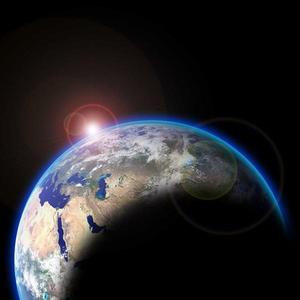
Day and Night in the World
astroEDU educational activity (links to astroEDU website) Description: Compare diurnal and nocturnal animals and experiment with day and night.
License: CC-BY-4.0 Creative Commons Reconocimiento 4.0 Internacional (CC BY 4.0) íconos
Etiquetas:
Life
, Model
, Animals
, Day and night
Rango de edades:
6-8
, 8-10
Nivel educativo:
Primaria
Áreas de aprendizaje:
Clase interactiva
, Modelización
, Aprendizaje basado en la investigación estructurada
Costos:
Bajo coste
Duración:
1 hora
Tamaño del grupo:
Grupo
Competencias:
Plantear preguntas
, Elaborar explicaciones
, Desarrollar y utilizar modelos
, Planificar y llevar a cabo investigaciones
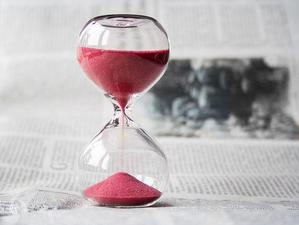
What Is Time?
astroEDU educational activity (links to astroEDU website) Description: Build an hourglass to understand what time is and how it can be measured.
License: CC-BY-4.0 Creative Commons Reconocimiento 4.0 Internacional (CC BY 4.0) íconos
Etiquetas:
Hands-on
, Measurement
, Day and night
, Measure
, Instruments
Rango de edades:
6-8
, 8-10
, 10-12
Nivel educativo:
Educación secundaria
, Primaria
Áreas de aprendizaje:
Modelización
, Resolución de problemas
, Aprendizaje basado en la investigación estructurada
Costos:
Coste medio
Duración:
1 hora
Tamaño del grupo:
Grupo
Competencias:
Plantear preguntas
, Desarrollar y utilizar modelos
, Planificar y llevar a cabo investigaciones
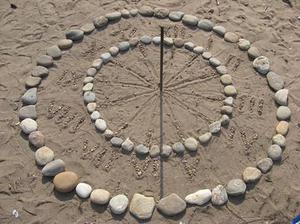
Making a Sundial
astroEDU educational activity (links to astroEDU website) Description: Build a sundial and discover how time can be measured.
License: CC-BY-4.0 Creative Commons Reconocimiento 4.0 Internacional (CC BY 4.0) íconos
Etiquetas:
Hands-on
, Measurement
, Measure
, History
, Clocks
Rango de edades:
6-8
, 8-10
, 10-12
Nivel educativo:
Educación secundaria
, Primaria
Áreas de aprendizaje:
Modelización
, Basado en la observación
, Aprendizaje basado en la investigación estructurada
Costos:
Coste medio
Duración:
1 hora
Tamaño del grupo:
Grupo
Competencias:
Analizar e interpretar datos
, Plantear preguntas
, Comunicar información
, Desarrollar y utilizar modelos
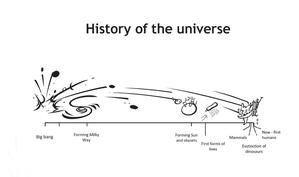
History of the Universe
astroEDU educational activity (links to astroEDU website) Description: Build a timeline of the all Universe!
License: CC-BY-4.0 Creative Commons Reconocimiento 4.0 Internacional (CC BY 4.0) íconos
Etiquetas:
History
, Timeline
, Mathematics
, Humans
Rango de edades:
8-10
, 10-12
, 12-14
Nivel educativo:
Educación secundaria
, Primaria
Áreas de aprendizaje:
Resolución de problemas
, Aprendizaje basado en la investigación estructurada
Costos:
Bajo coste
Duración:
1 hora y 30 minutos
Tamaño del grupo:
Grupo
Competencias:
Plantear preguntas
, Comunicar información
, Desarrollar y utilizar modelos
, Utilizar las matemáticas y el pensamiento computacional